What Barrel Aging Does to Whiskey, and Why It Takes So Long
what does barrel aging do to whiskey
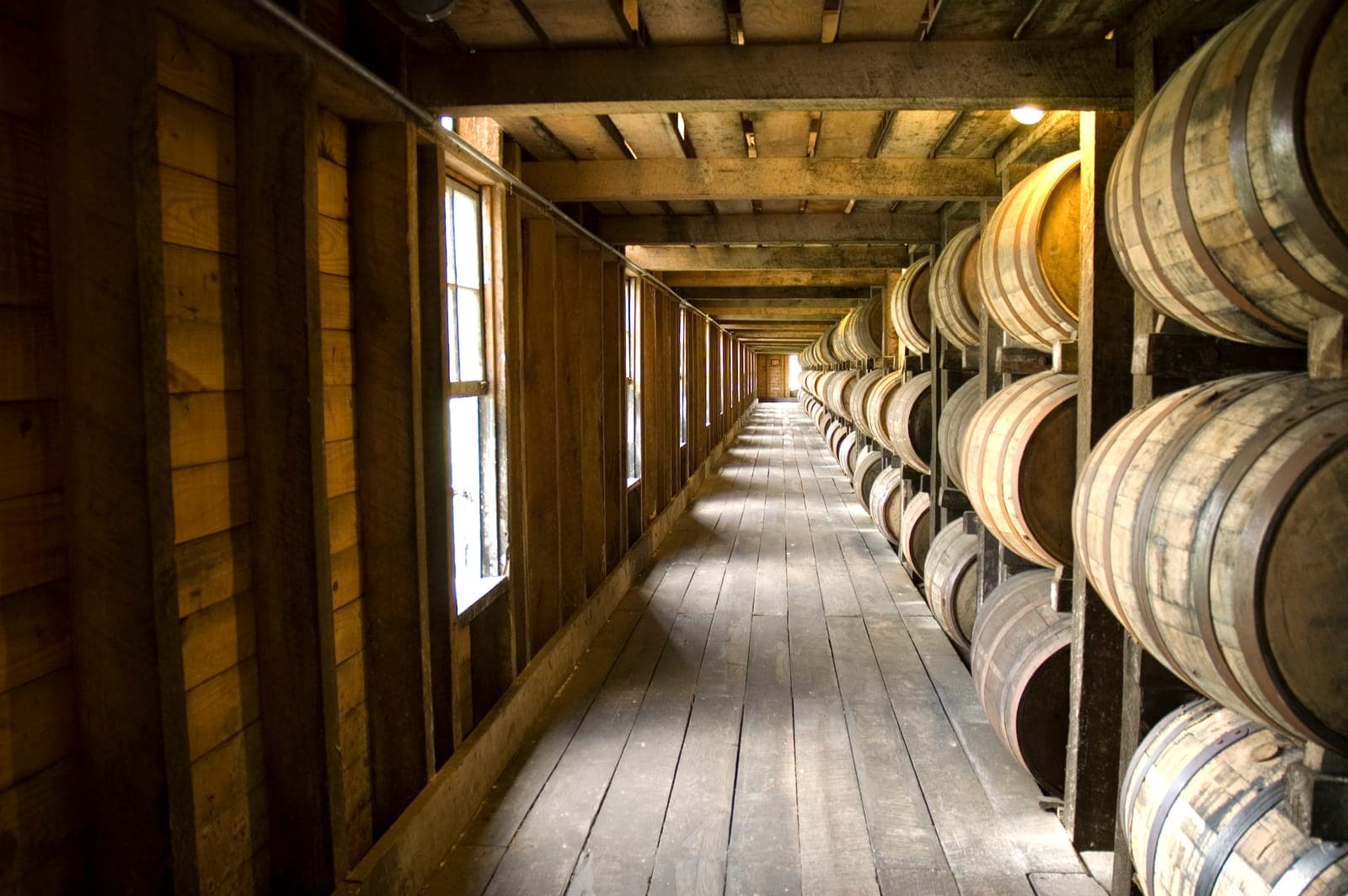
A whiskey goes into the barrel clear and comes out amber. Most of that difference happened in the dark of a warehouse, over years, while nobody watched, which is why aging is the slowest step in making a whiskey and often the most expensive. Pour a new-make spirit next to the aged version of itself and they barely read as the same drink, so what barrel aging does to whiskey shows up before you even lift the glass. What is actually going on in there?
What the wood gives up
The barrel is not just a container to keep the spirit in. The inside gets charred over a flame when the barrel is built, and once that blackened surface has spent years pressed against the liquid, what crosses over?
Aging spirits in charred oak barrels adds vanillin, tannins, and color extracted from the wood.1
A lot of the sweet, custardy note in an aged whiskey rides in on that vanillin. The tannins that come across with it do something less obvious, landing on your tongue rather than in your nose.
Oak barrels contribute tannins that can add astringency and structure to aged spirits.2
Oak does not pull in only one direction. A little grip and backbone is the good side, but a barrel that gives up too much leaves a drying edge at the sides of the tongue, and a long aging is partly a negotiation over where to draw that line.
What the years take away
So far this is all what the wood handed over. Is there anything the spirit gives up during those same years in the cask?
Barrel aging mellows a spirit as volatile harsh compounds escape and new reactions form smoother flavors.3
It is not only subtraction, because time also builds aromas that were not there before. Fruit and flowers turning up faintly in an older bottle come from those new arrivals, and the source is closer to hand than it sounds.
Esters, formed when acids react with alcohols during fermentation and aging, give spirits fruity and floral aromas.4
That is why an older whiskey often reads as fruitier and more layered rather than merely smoother. Addition, subtraction, and slow chemistry all rolling along in the same dark room is what we end up calling age.
Taste the barrel in the glass
You can trace each of these with two glasses on a counter. Set the comparison up and the wood tells on itself.
- Pour a new-make or unaged spirit beside an aged one from the same family, and note how much of the color and vanilla arrived with the wood.
- Nose for vanilla and caramel first, since those lean on the vanillin pulled from the char, and starting at the nose is the easier order anyway.
- Hold the spirit on your tongue and feel for a drying grip at the edges, which points to the tannins the barrel gave up. If it does not register the first time, a second sip usually finds it.
- Look for fruit and floral notes in the older bottle that the young one lacks, the signature of esters building over time.
- Compare a younger and an older release of one whiskey to feel the harsh top-notes fade as the years mellow it. Go back and forth between the two glasses and the gap sharpens up on you.
Sources & facts
- 1. Oak aging: vanillin, tannin, color ↩
- 2. Oak tannins add structure ↩
- 3. Aging mellows a spirit ↩
- 4. Esters: fruity and floral notes ↩
Facts without an external link are drawn from the R&Dish reviewed corpus (textbook-level food science).
TopicBar & Spirits