Dry Aging vs Wet Aging: What Actually Differs
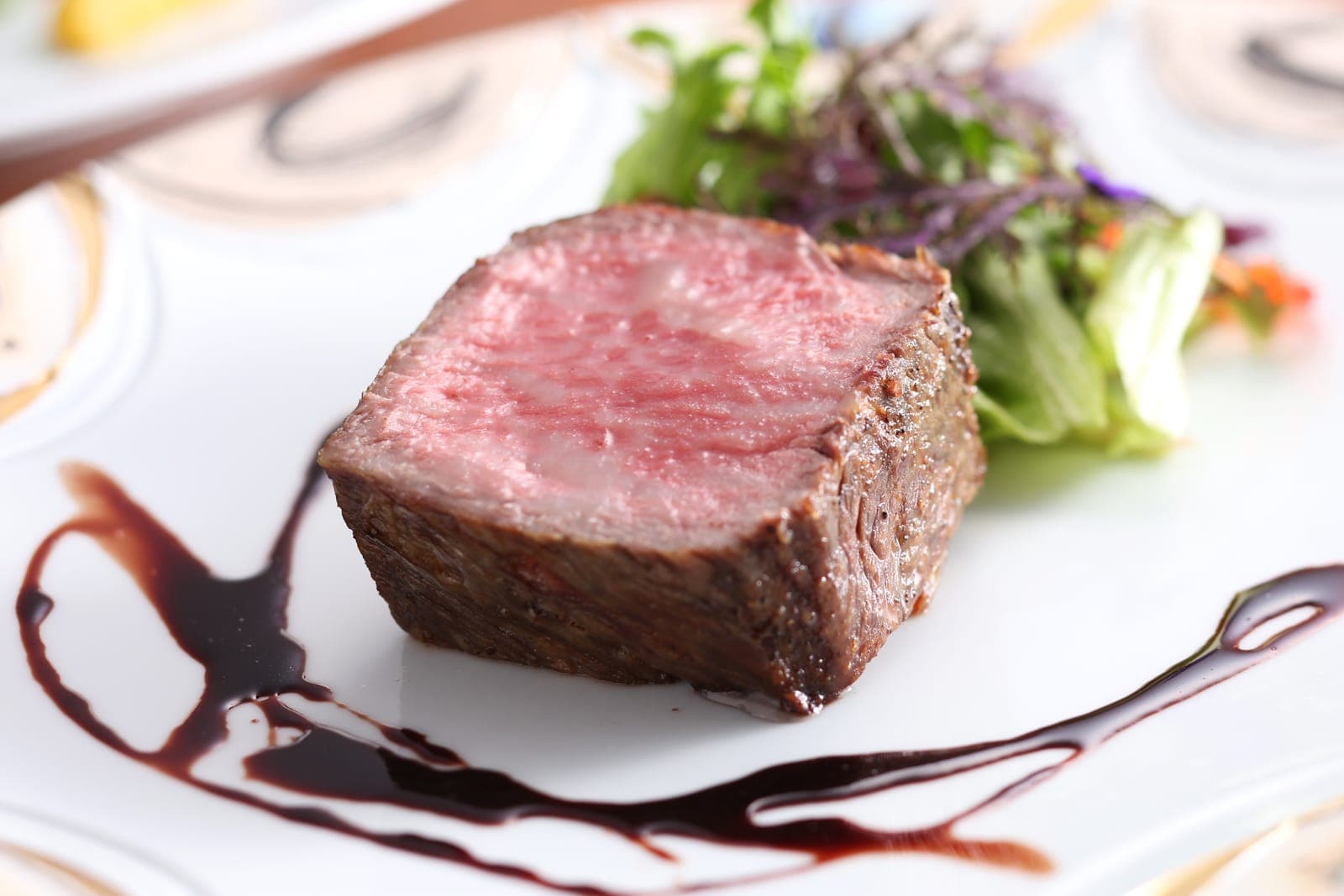
The difference is packaging, not temperature. Both methods hold beef in the same cold band; dry aging leaves it exposed to the air and wet aging seals it in a bag, and every other difference in flavor, cost, and yield follows from that one choice.
The USDA writes the definitions down, and they are more specific than most menus suggest.
The USDA Agricultural Marketing Service fresh beef purchase specification defines dry aging as meat left unpackaged and directly exposed to cooler conditions under designated controls of temperature at 33 to 36 degrees Fahrenheit, humidity at 85 to 90 percent, and positive air flow, and defines wet aging as meat held in the same temperature range while vacuum packaged in a high moisture impermeable bag.1
Same temperature range on both sides of the line. What changes is whether moisture can leave, and moisture leaving is what sets everything else in motion.
What the exposure builds
When water can go, what stays behind gets more concentrated, and the chemistry has more to work with.
In one study of paired beef loins aged 28 days at 2 degrees Celsius, 65 percent relative humidity, and a 0.8 metre per second airflow, higher concentrations of free amino acids and reducing sugars were measured in all of the dry-aged samples than in the wet-aged samples, and untargeted metabolomics revealed greater short-chain peptides in the dry-aged beef.2
Those are the building blocks of savory taste and of browning, sitting there before the steak ever meets a pan. The aroma moves too, and one study tracked exactly which compounds carried the change.
One study that dry aged one half of a set of beef strip loins and wet aged the other half for 28 days, sampling aroma volatiles at seven day intervals, found that dry-aged beef showed higher concentrations of volatile compounds than wet-aged beef as the aging period increased, with most of the change associated with propanal, 2-methylbutanal, 2-methylpropanal, 1-butanamine, trimethylamine, 2-methyl-2-propanethiol, and ethyl propanoate, and its authors suggest the difference comes from increased lipid oxidation and microbial activity in dry-aged beef, possibly owing to its ambient exposure to oxygen.3
That points at oxygen as the mechanism. An unwrapped surface meets air, air drives oxidation and lets surface microbes work, and a vacuum bag simply does not offer that.
Time is what develops it
The flavor people pay for does not appear on day one, and the sequence is fairly well described.
A published review of beef dry aging reports that dry-aged beef flavor begins to develop after 14 days and intensifies thereafter, that brown-roasted and nuttiness aromas were perceived for steaks dry aged for 14 or 21 days, that the longer it ages the more intense and complex the flavors become, ranging from a subtle nuttiness to slight mushroom and umami flavors, and that after 45 days aging develops bold blue cheese notes.4
So the long numbers on a menu are pointing at a real progression rather than at bragging. Whether you want the far end of it is a matter of taste, and blue cheese is not a universally welcome note.
Why one costs so much more
If dry aging only needed patience, everyone would do it. The bill comes from what disappears.
A published review of beef dry aging attributes the high cost of the process to high aging shrinkage of 6 to 15 percent, trim loss of 3 to 24 percent, the risk of contamination, and the requirement for the highest grades of meat, and reports that up to 5 percent of the original weight of the carcass is lost during the dry aging process for beef aged 14 days, with overall shrinkage increasing as the days of aging increase.5
A wet aged loin loses almost nothing because nothing can evaporate through the bag. That gap in yield, plus the dried crust that gets trimmed away, is most of the price difference on the counter.
Do not run this one at home
This is the part worth stating plainly before anyone clears a fridge shelf for it.
The USDA Food Safety and Inspection Service states that beef is aged to develop additional tenderness and flavor and that this is done commercially under controlled temperatures and humidity, and that because aging can take from 10 days to 6 weeks, USDA does not recommend aging beef in a home refrigerator.6
A domestic fridge does not hold the humidity or the airflow those specifications name, and it opens several times a day. Treat dry aging as something to buy rather than to attempt.
Taste the difference instead
You can still run the comparison that matters, which is the one on the plate. Buying one steak of each is cheaper than a failed experiment.
- Buy a dry aged and a wet aged steak of the same cut and thickness, ideally from one counter on one day.
- Cook both the same way to the same internal temperature, and rest them the same length of time.
- Smell each one before tasting. The aroma difference usually arrives before the flavor difference does.
- Taste them side by side rather than on separate evenings, since memory of flavor fades fast.
- Note which one you would actually order again, not which one you think you should prefer.
- If they taste the same, that is a real result and it is in the literature too. It does not mean your palate failed.
Sources & facts
- 1. USDA dry aging: the designated temperature, humidity, and airflow ↩
- 2. What dry aging leaves behind: amino acids and sugars ↩
- 3. The volatile markers that separate dry from wet ↩
- 4. From nutty at 14 days to blue cheese past 45 ↩
- 5. Where the money goes: shrink, trim, and grade ↩
- 6. Why USDA does not recommend aging beef at home ↩
Facts without an external link are drawn from the R&Dish reviewed corpus (textbook-level food science).
TopicFermentation & Umami