Garlic Confit in Oil and Botulism: What the Guidance Actually Says
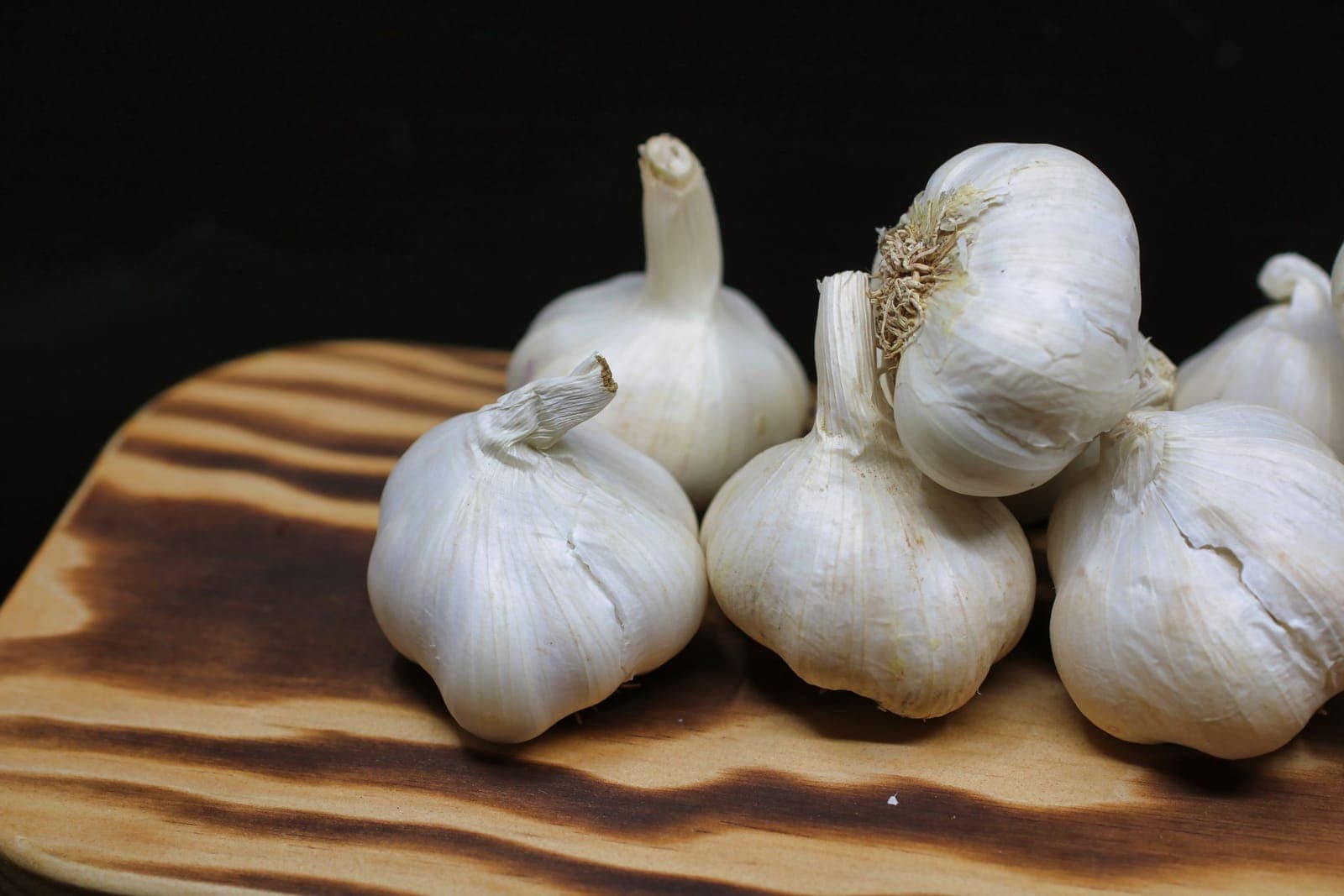
A jar of garlic sitting in olive oil makes a kitchen easier, and the obvious place to keep it is right there on the counter within reach. Garlic covered in oil and left on the counter is a real botulism risk, not a theoretical one. The safer path is to keep it refrigerated and use it within a few days, or to acidify the garlic first using a guidance-backed method, rather than trusting the oil itself to protect it. Neither habit takes more than a few extra minutes, which makes it an easy trade for a risk this specific.
Oil looks sterile. It isn't.
Oil feels like a preservative because it shuts the air out, and it is exactly that absence of air that something else has been waiting for.
Clostridium botulinum can produce toxin in low-acid, oxygen-free environments such as improperly canned foods.1
A jar of garlic in oil on the counter checks both boxes at once, low acid and no oxygen, and that combination is why the risk is specific and real, not a general food-safety scare.
Garlic stored in oil at room temperature can support Clostridium botulinum growth and must be refrigerated and used within a few days. The refrigeration requirement and the short use window follow United States federal and USDA guidance, which sets the refrigerated limit at seven days.2
So the oil is not protecting the garlic from anything; if anything, it is laying out the exact conditions the bacterium needs, unless the temperature or the acidity is addressed. The very ingredient meant to preserve the garlic is what creates the risk, which is strange enough to be worth sitting with.
The guidance-backed way around it
Does that put garlic in oil off the table altogether? There is a documented route that lowers the risk enough to matter, and it is not just refrigerating and hoping.
Acidifying garlic before infusing it in oil lowers the pH enough to inhibit Clostridium botulinum, per FDA and USDA guidance.3
Acidifying first is the one step that changes the chemistry rather than the storage location. What does the fridge do on its own?
Refrigeration at or below 4 degrees Celsius slows but does not stop the growth of most spoilage and pathogenic bacteria. The 4 degrees Celsius figure is the refrigeration target in United States guidance, or 40 degrees Fahrenheit, while other jurisdictions set it at 5 degrees Celsius or below.4
Cold slows bacterial growth; it does not stop it outright, which is why even refrigerated garlic-in-oil is a use-it-soon ingredient rather than a shelf-stable one. That distinction matters most right after a big batch of confit or infused oil, when a full jar makes it tempting to treat the thing as pantry-stable rather than fridge-only.
Store garlic in oil safely
The steps below follow the guidance rather than a family habit or a restaurant shortcut.
- Follow a tested, acidified recipe if you want garlic-in-oil that keeps beyond a few days, using an acid ratio backed by food-safety guidance, not a guess.
- If you skip acidification, refrigerate the garlic-in-oil immediately after making it, not after it cools on the counter.
- Use unacidified refrigerated garlic-in-oil within a few days rather than treating it as a pantry staple. Being cold does not make it keep.
- Never leave garlic-in-oil at room temperature for storage, even briefly, regardless of how it smells or looks.
- Label the container with the date it was made. That is what keeps "a few days" a real number rather than a guess.
- When in doubt about how long a jar has been sitting, discard it rather than taste-test for spoilage, since botulinum toxin is not reliably detectable by smell or taste.
Sources & facts
- 1. Where botulinum toxin forms ↩
- 2. Garlic-infused oil: keeping it out of the botulism danger zone ↩
- 3. Acidified garlic oil: the guidance-backed safe route ↩
- 4. Cold slows, doesn't stop, bacteria ↩
Facts without an external link are drawn from the R&Dish reviewed corpus (textbook-level food science).
TopicKitchen Safety