Why Leftover Rice Causes Food Poisoning: The Bacillus Cereus Story
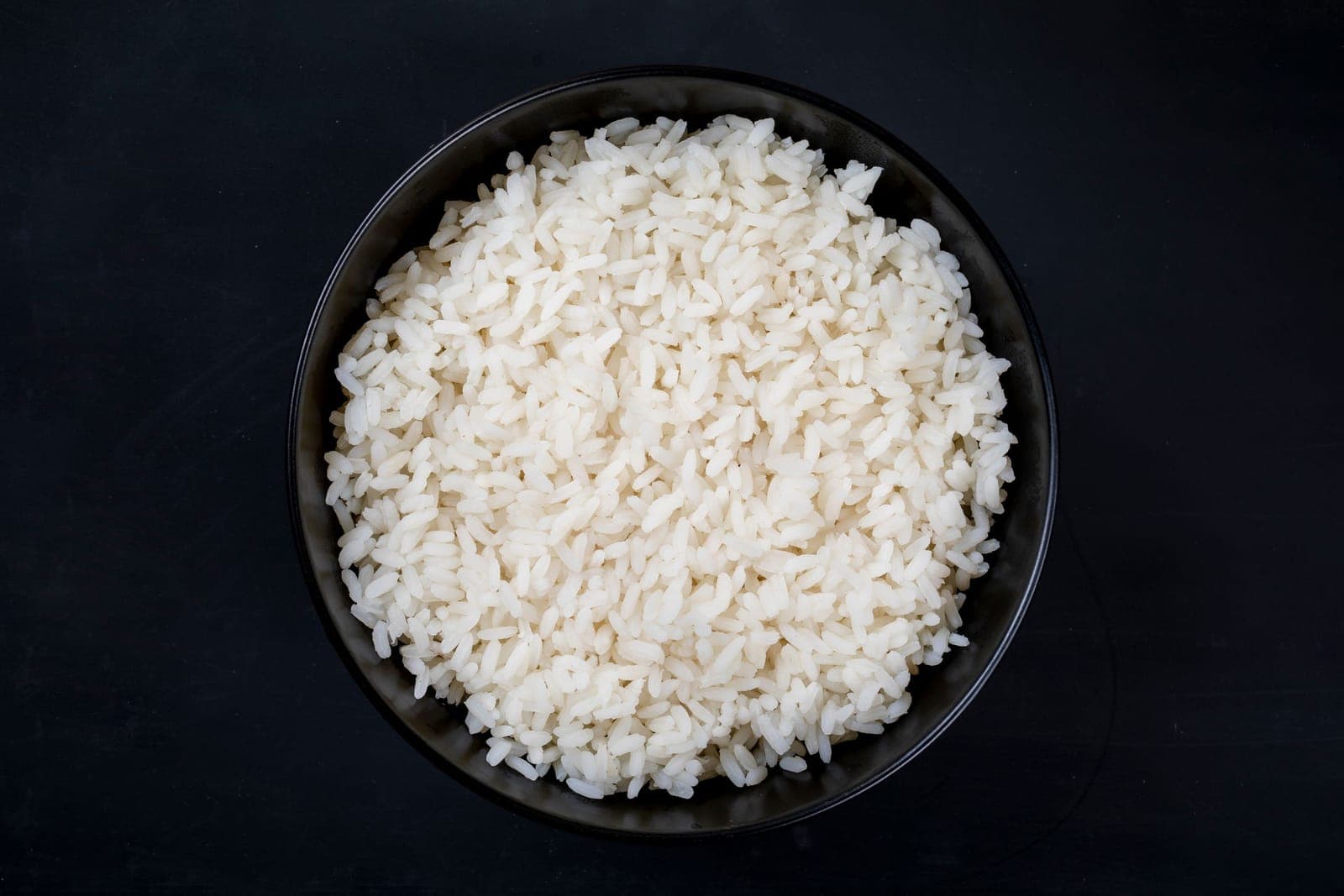
The pot you left on the stove last night still looks perfectly fine this morning. It smells fine too, and you were going to fry it in hot oil anyway, so where is the harm? Rice, though, is one of the riskier leftovers to leave sitting out. Why rice in particular?
The spore that survives the pot
The specific risk with rice has a name, and it is not the same story as most other leftovers.
Cooked rice left at room temperature can allow Bacillus cereus spores to grow and produce toxin.1
Those spores ride out the original cooking and simply wait for the rice to cool into the range where they can grow, which is the same danger zone that governs every other perishable food. Nothing about rice makes it immune to the rules that apply to meat or dairy.
Perishable foods held between 4 and 60 degrees Celsius sit in the danger zone where bacteria multiply rapidly. The 4 to 60 degrees Celsius bounds are the USDA convention, and other authorities draw the band differently, such as the FDA Food Code range of 5 to 57 degrees Celsius.2
That is why the clock on cooling rice matters just as much as it does for meat or dairy. So how long is too long?
Perishable food left at room temperature for more than two hours should be discarded for safety. This two hour limit is USDA guidance for the United States, and the same guidance shortens it to one hour when the surrounding temperature is above 32 degrees Celsius.3
Past that window, the guidance is not to rescue the rice in a hot pan but to let it go. A steaming bowl of fried rice looks and smells perfectly fine either way, which is exactly why the clock, not your senses, has to make the call.
Why the fridge is not a full stop
Getting rice into the fridge quickly is the right move. It is still worth knowing what refrigeration is actually buying you.
Refrigeration at or below 4 degrees Celsius slows but does not stop the growth of most spoilage and pathogenic bacteria. The 4 degrees Celsius figure is the refrigeration target in United States guidance, or 40 degrees Fahrenheit, while other jurisdictions set it at 5 degrees Celsius or below.4
It slows the clock; it does not stop it. Rice that has been in the fridge for many days is still worth a cautious sniff and a firm cutoff, not an indefinite pass.
Store rice safely
Here is how to turn the science into something your hands just do, every time there is rice left in the pot.
- Spread leftover rice out in a shallow container right after cooking, so it cools quickly instead of staying warm in a deep pile.
- Get it into the refrigerator within two hours of cooking, sooner if your kitchen runs warm.
- Keep the refrigerator at or below 4 degrees Celsius and check it with a thermometer if you are not sure.
- Reheat rice until it is steaming hot throughout, not just warm on the surface.
- Only reheat a portion of rice once; do not cool and reheat the same batch repeatedly.
- When cooking a large batch for later, portion it into smaller containers rather than one large pot, since a big volume of rice takes longer to cool through the danger zone.
- Discard rice that was left out at room temperature for more than two hours, even if it still smells fine. It stings to bin a full pot, but this is the one call that is always right.
Sources & facts
- 1. Cooked rice and Bacillus cereus ↩
- 2. The 4 to 60C danger zone ↩
- 3. The two-hour rule ↩
- 4. Cold slows, doesn't stop, bacteria ↩
Facts without an external link are drawn from the R&Dish reviewed corpus (textbook-level food science).
TopicKitchen Safety