What Is MSG Made Of? The Glutamate Behind Umami, Explained
what is msg made of umami
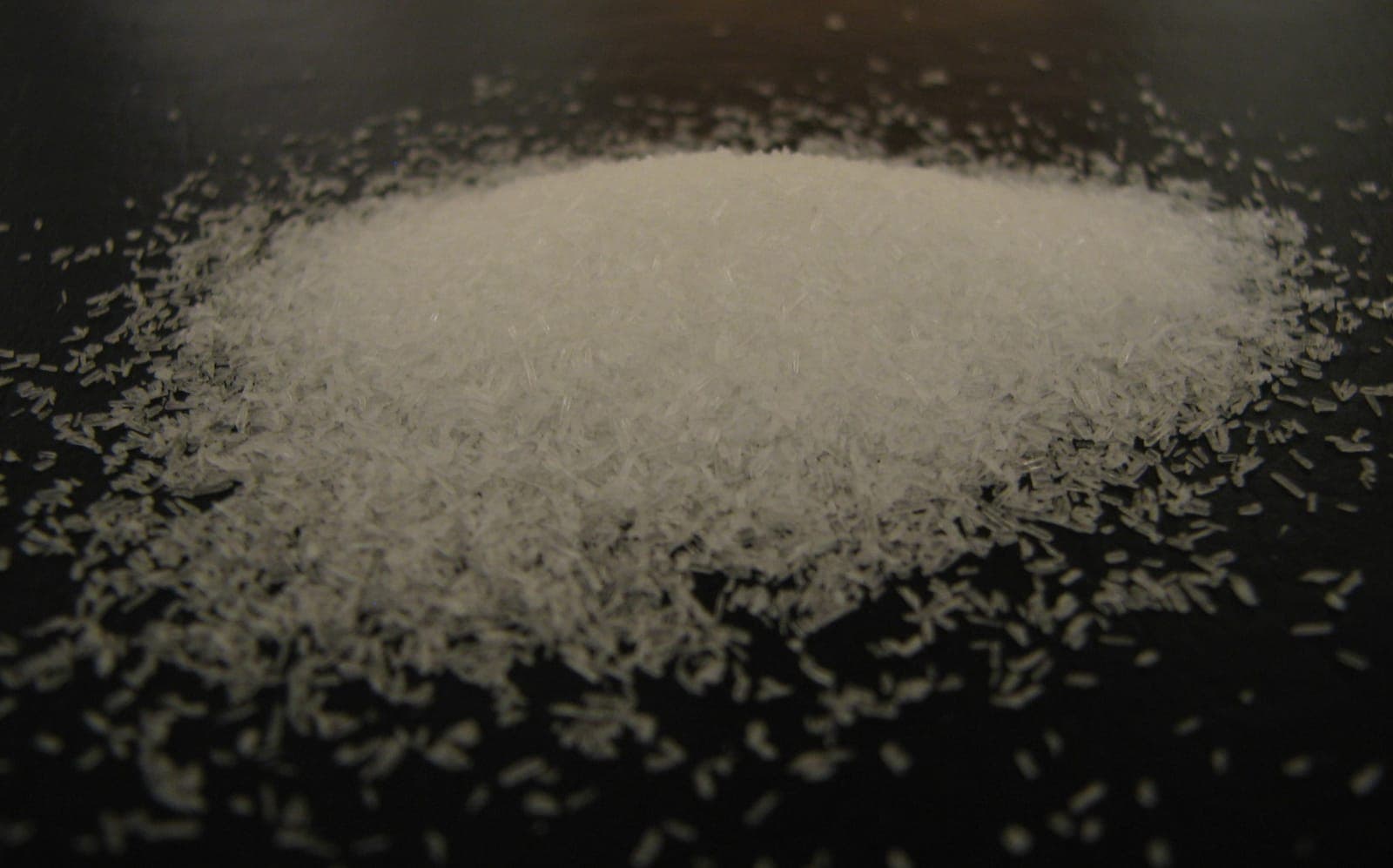
MSG shows up on a lot of labels and in a lot of arguments. Underneath all of it is a single, fairly simple molecule. So what is actually in the jar? For the record, what follows is the chemistry; the health debate is a separate conversation.
What MSG actually is
The name is already half the answer. Monosodium glutamate is a chemically literal description of the thing in the jar.
Monosodium glutamate is the sodium salt of glutamic acid and delivers pure umami taste.1
So MSG carries glutamic acid in a form that dissolves and seasons cleanly, much the way table salt carries sodium. The glutamate is the part that matters for flavor. What does that molecule do on the tongue?
Free glutamate is the primary source of umami, the savory basic taste.2
Umami is one of the basic tastes, alongside sweet, salty, sour, and bitter, and free glutamate is the compound most responsible for it. That is the whole reason a pinch of MSG wakes up a broth. You are adding the exact molecule the taste is tuned to.
The same molecule in your food
The tidy part of this story is that glutamate is not some exotic additive. It is already a normal part of food you cook with every week.
Ripe tomatoes are a significant plant source of free glutamate.3
So a slow-cooked tomato sauce tastes deeply savory for exactly the same reason a dash of MSG does: free glutamate. And that savory quality does more to a dish than simply taste strong.
Umami increases salivation and the perceived richness and mouthfulness of food.4
Umami, then, is not only a flavor you notice but a fullness you feel, a rounder and more mouth-filling quality that makes food seem richer. That is what glutamate brings, whether it arrives from a ripe tomato or from a few grains of MSG.
Cooking with glutamate
Since MSG and a tomato carry the same savory molecule, the job is simply to reach for glutamate wherever it does the most good.
- Lean on naturally glutamate-rich foods like ripe tomatoes, aged cheese, mushrooms, and cured meats to build savory depth.
- Add a small pinch of MSG the way you would salt, tasting as you go, since a little brings the savory note forward.
- Use MSG alongside salt rather than only in place of it, since the two do different jobs on the tongue.
- Reach for umami when a dish tastes flat or thin despite being adequately salted.
- Concentrate glutamate through slow reduction, as in a long-simmered tomato sauce or stock.
- Start with less than you think you need, since you can always add more but cannot pull it back out. Stop at the spoonful that makes you say yes.
Sources & facts
- 1. MSG: glutamate in salt form ↩
- 2. Glutamate is umami ↩
- 3. Tomatoes: a glutamate source ↩
- 4. Umami deepens richness ↩
Facts without an external link are drawn from the R&Dish reviewed corpus (textbook-level food science).
TopicFermentation & Umami