Vacuum Distillation in Shochu and Soju: How Pressure Shapes the Aroma
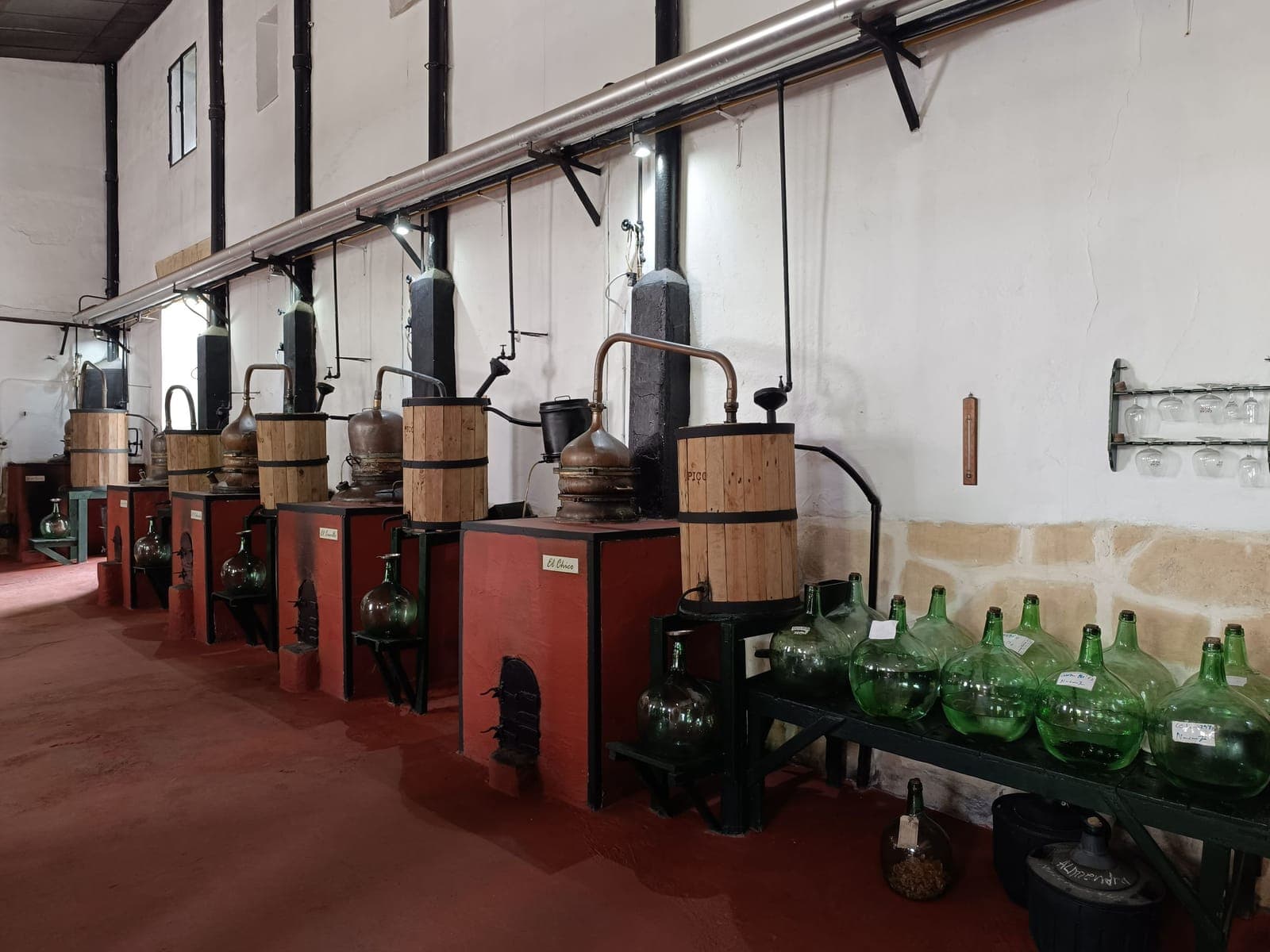
Pour two rice spirits side by side and put your nose over each, and one can smell earthy and grainy while the other reads clean and fruity, even from the same base. Where did they split? In the shochu and soju world it often comes down to a single lever in the still, the pressure it runs at, because vacuum distillation drops that pressure below the everyday atmosphere and where a maker sets it swings the aroma between two very different worlds.
The two aromas in the glass
Fermentation does not stop at ethanol and walk away. It leaves behind a rough family of heavier alcohols and a fragrant family of esters, and the character of the finished spirit depends on where those two settle against each other.
Higher alcohols, called fusel alcohols, form during fermentation from yeast amino-acid metabolism and taste harsh and solvent-like.1
On the other side of the balance sit the compounds that pull a spirit toward fruit and flowers rather than solvent.
Esters, formed when acids react with alcohols during fermentation and aging, give spirits fruity and floral aromas.2
How pressure moves the balance
Lowering the still's pressure changes the face of what carries over, and the first to respond are the harsh alcohols. As a maker pulls the pressure down they climb, and pushed far enough the spirit tends to turn sharp.
In vacuum distillation of a rice-based distilled spirit, branched-chain fusel alcohols such as isobutanol and isoamyl alcohol are negatively correlated with distillation pressure, so they rise as the pressure is lowered, and pushing the pressure very low, to about 0.2 to 0.4 atm, tends to accentuate solvent-like off-notes.3
So the lever is not a case of lower is better. There is a middle band sitting above those very low pressures, and there the fragrant side of the spirit walks forward instead.
In vacuum distillation of a rice-based distilled spirit, a pressure window of about 0.6 to 0.8 atm favors ester formation and a floral, fruity, and sweet aroma profile, sitting above the very low pressures where solvent-like branched-chain alcohols dominate.4
Step back from the fine tuning and the choice of method has already set the broad character, which is why an atmospheric bottle and a vacuum bottle read so differently on the soju shelf.
In Korean soju the distillation method drives the aroma profile: atmospheric-pressure distillation gives earthy and yeasty notes with a grainy, barley hint, while reduced-pressure vacuum distillation gives a fruity, sweet character.5
Read the pressure in the glass
You cannot run a still at home. You can still taste the lever at work in the glass, so treat pressure as a dial strung between the two aroma families and follow it from bottle to bottle.
- Read the still's pressure as a dial between two aromas: earthy and grainy up at atmospheric, fruity and sweet down under vacuum.
- Treat roughly 0.6 to 0.8 atm as the window where esters and a floral, fruity, sweet profile tend to come forward.
- Know the failure mode of going too low: pushed toward about 0.2 to 0.4 atm, branched-chain fusel alcohols climb and solvent-like off-notes tend to sharpen.
- Expect an atmospheric bottle to keep the yeasty, barley-tinged earthiness that vacuum distillation trades for fruit.
- Compare two bottles from the same base and taste for the split: a harsh solvent top-note points low and rough, clean fruit points to the ester window, and going back and forth a sip at a time draws that border sharply across your palate.
Sources & facts
- 1. Fusel alcohols: the harsh higher alcohols ↩
- 2. Esters: fruity and floral notes ↩
- 3. Vacuum distillation: lower pressure raises fusel alcohols ↩
- 4. Vacuum distillation: the pressure window for esters ↩
- 5. Soju distillation: atmospheric earthy versus vacuum fruity ↩
Facts without an external link are drawn from the R&Dish reviewed corpus (textbook-level food science).
TopicBar & Spirits