Why Do Caramelized Onions Taste Sweet? The Two-Reaction Science
why do caramelized onions taste sweet
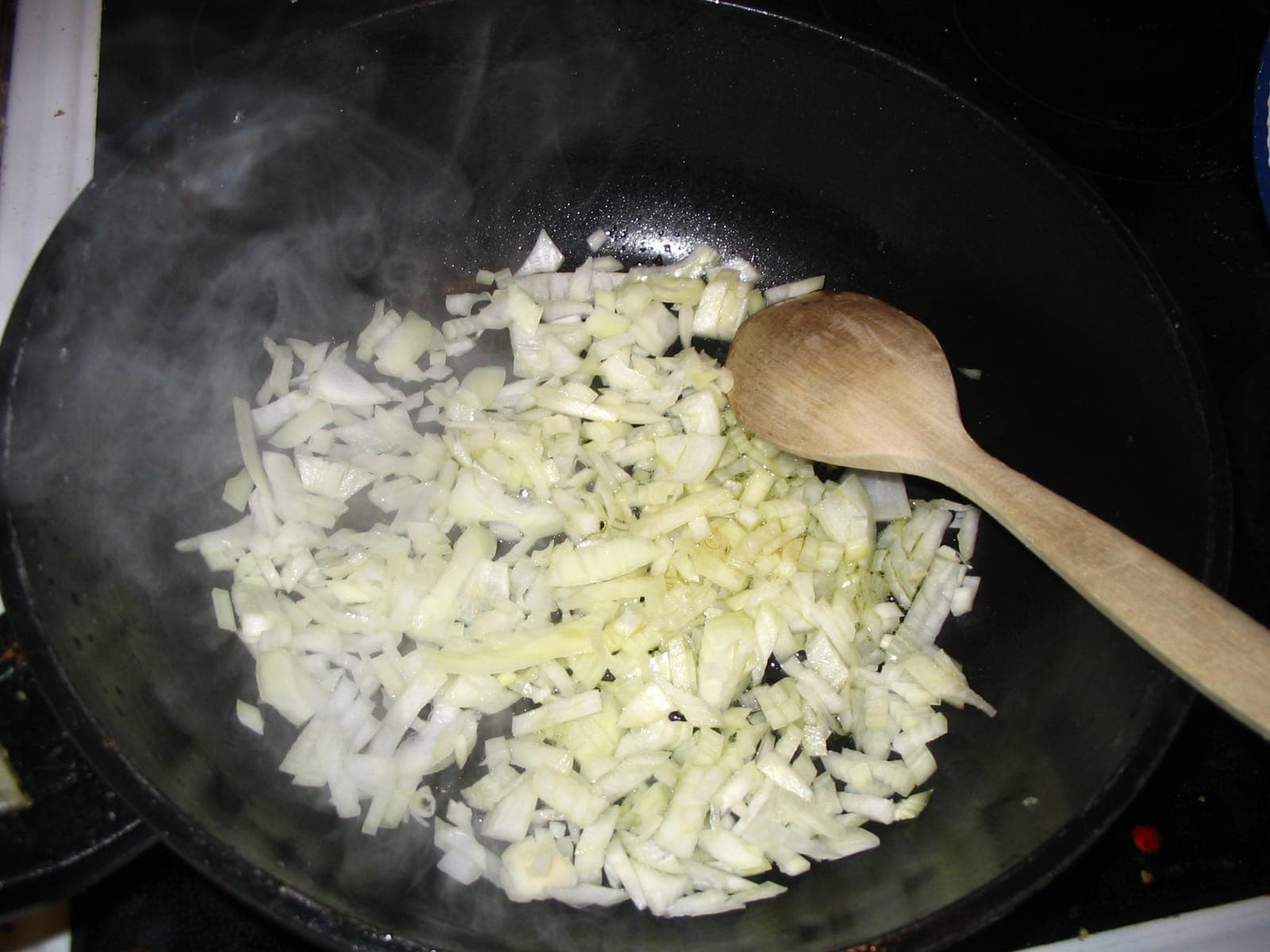
A raw onion is sharp and watery. Forty slow minutes later the same onion is soft, mahogany, and startlingly sweet, and not a spoonful of sugar went anywhere near the pan. So what happened in there?
Two browning reactions, not one
Before following what heat does in the pan, take a quick look at sugar itself. Even the most familiar sugar of all turns out not to be a single thing.
Table sugar, sucrose, is a disaccharide of glucose and fructose.1
The dish is named for one of the two reactions that heat sets off in that sugar. Caramelization is the one people picture, and it is easy to assume it covers anything that turns brown. It is a good deal narrower than that.
Caramelization is the thermal breakdown of sugars, distinct from the Maillard reaction and requiring no amino acids.2
Caramelization on its own also asks for real heat, more than a low pan of onions usually reaches. So where does that threshold actually sit?
Table sugar begins to caramelize around 160 to 170 degrees Celsius.3
A low pan of onions never comes close, which is the clue that a second reaction is doing much of the work while they are still soft and wet. An onion brings amino acids to the pan as well as sugar, and that pairing is what the other reaction runs on.
The Maillard reaction is a browning reaction between amino acids and reducing sugars that generates hundreds of flavor compounds.4
So the color and the savory depth owe a great deal to Maillard browning, while true caramelization pitches in near the end, once the pan is hot enough. The sweetness you notice is the onion's own sugar coming forward after the raw sharpness cooks off, and the two reactions layer flavor over that base.
At the pan
With two reactions in play, steering the flavor is about controlling heat and patience rather than chasing a single browning moment.
- Slice the onions evenly so they soften and brown at the same rate rather than scorching in spots.
- Cook them low and slow at first, letting them sweat out water before they can begin to brown.
- Stir often once color appears, since the browned flavor develops fastest right where the onion meets the hot pan.
- Add a pinch of salt early to help draw water out and speed the softening stage.
- When the pan starts to stick, nothing has gone wrong. Deglaze with a splash of water, lifting the browned film back into the onions.
- Give the process the full time it needs; rushing the heat scorches the outside before the inside has browned.
- Taste as you go and stop when the sweetness and color are where you want them, since the flavor keeps deepening the longer they cook. Where you stop depends on what they are going onto tonight.
Sources & facts
- 1. Sucrose: glucose plus fructose ↩
- 2. Caramelization vs Maillard ↩
- 3. Sugar caramelizes near 160C ↩
- 4. The Maillard reaction, defined ↩
Facts without an external link are drawn from the R&Dish reviewed corpus (textbook-level food science).
TopicEveryday Science