Why Salt Pasta Water? It Is Not About the Boiling Point
why salt pasta water
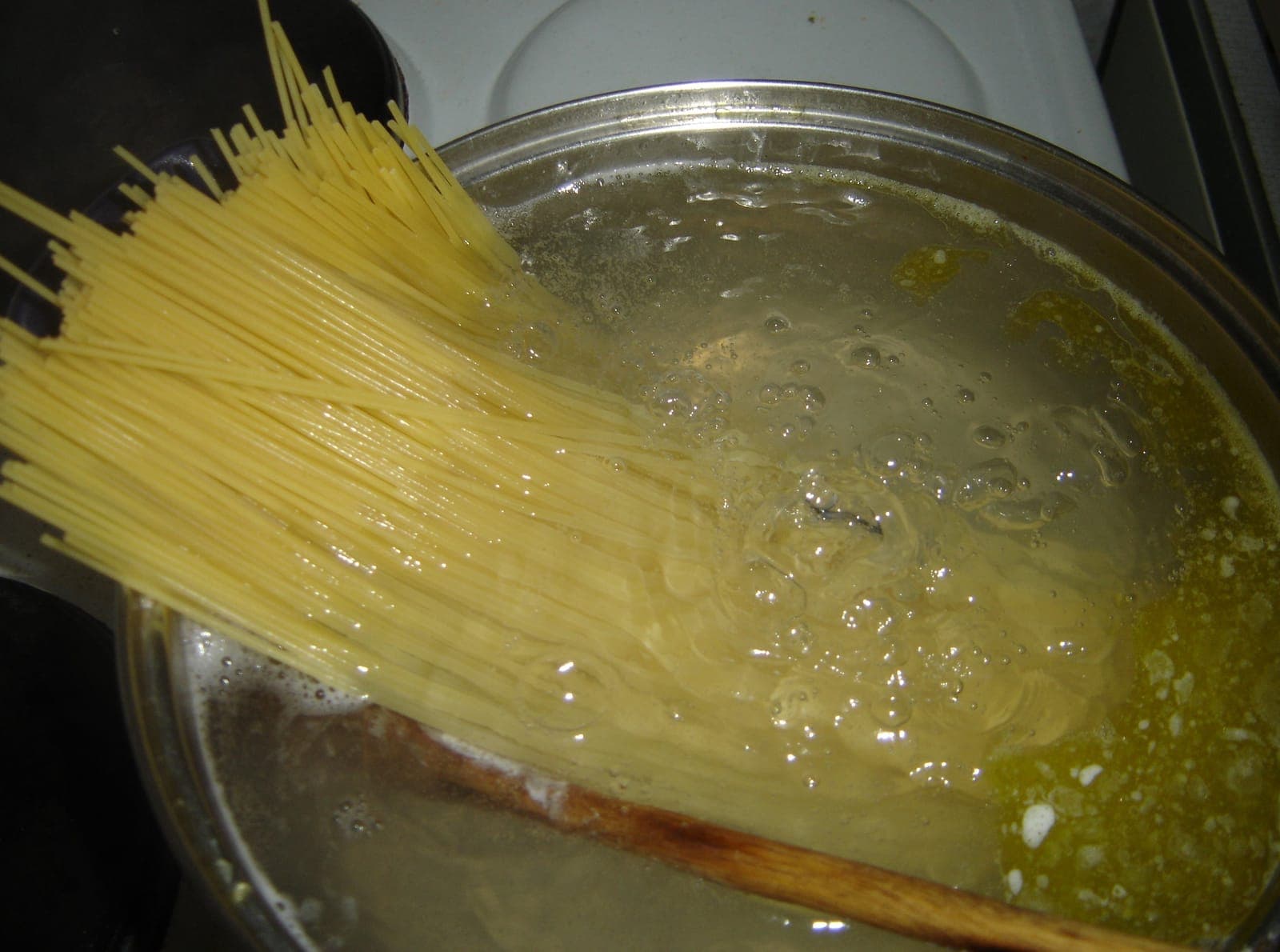
The water comes to a boil and your hand goes to the salt box, and if anyone asks why, the answer that comes out is usually something about the boiling point. It is tidy, and it sounds right. But is that really why salt pasta water? What the salt does in that pot has nothing to do with the thermometer and everything to do with the noodles.
Start with the boiling point story
The boiling point story is so widespread that nobody remembers where they first heard it, and almost nobody has ever stopped to question it. So how far does salt actually push the boiling point?
Dissolved salt raises water's boiling point only slightly at the concentrations used in cooking.1
The handful of salt in a pot does not change the temperature of the water in any way you would taste in the finished noodle, and moving that number meaningfully would take far more salt than anyone cooks with, long past the point where the pasta stopped being edible. So why salt at all? The payoff is not in the water. It is in the pasta.
What salt actually does
A pot of salted water has more in common with the brine you soak a chicken in than it looks, since either way the salt has to get inside the food before the job is done.
Brines and pasta water season food by diffusion, as salt moves from high to low concentration.2
Pasta boiled in salted water tastes seasoned all the way through, while pasta boiled plain and salted afterward gives itself away immediately, with the salt sitting on the outside. Same salt, different address, and seasoning is not the only thing it does.
Salt suppresses the perception of bitterness and enhances other flavors.3
You can taste the difference in a single strand. Pasta cooked in properly salted water has the wheat flavor standing up before any sauce touches it, while unsalted pasta stays flat no matter what you spoon over it. That is the whole job, and none of it depends on the thermometer.
Salt it like you mean it
Because the point is seasoning and not temperature, the steps below are about giving the salt time and contact to get into the pasta. Salting afterward never quite catches up.
- Salt the water generously, since only a fraction of it ends up in the pasta and the rest goes down the drain. Try not to think about the waste.
- Add the salt once the water is hot. It dissolves quickly and evenly that way.
- Give the pasta its full cooking time in the salted water so the salt has time to diffuse inward. Rushing costs you exactly that.
- Taste the water before adding the pasta; it should taste clearly seasoned, not faintly salty. Taste it once and you will recognize it by eye from then on.
- Go easier on the salt if you will finish the pasta in a salty sauce, so the two do not stack up. There is no good way back from too salty.
- Save a cup of the salted, starchy water to loosen and season the sauce at the end. That cup is where the noodles and the sauce finally become one thing.
Sources & facts
Facts without an external link are drawn from the R&Dish reviewed corpus (textbook-level food science).
TopicEveryday Science