Why Soup Tastes Saltier When Cold: A Trick of Perception, Not Salt
why does soup taste saltier when cold
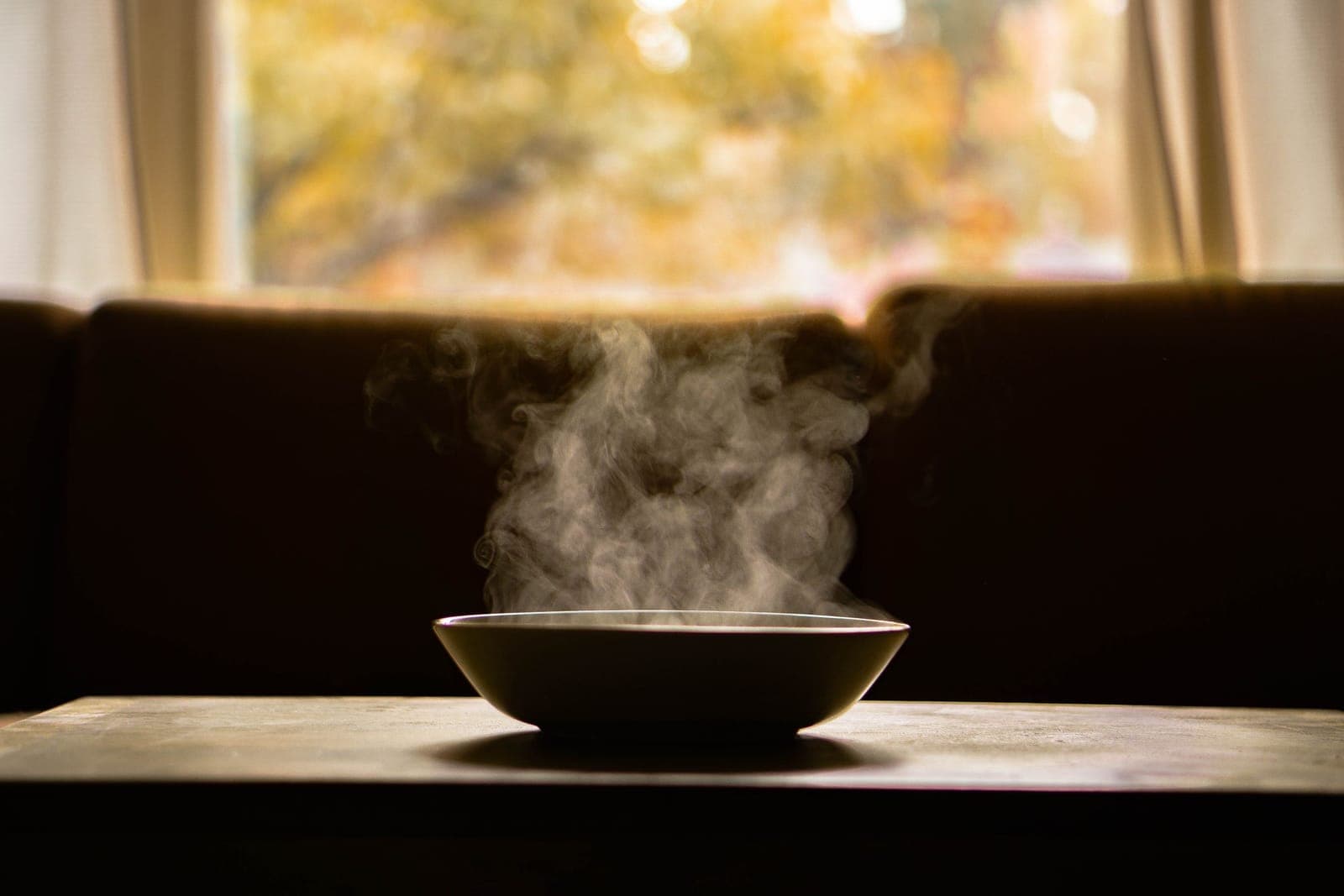
It is not that cold soup holds more salt, or that salt suddenly hits harder. What actually happens is quieter: chilling mutes the sweet, sour, and aromatic notes faster than the salty one, so the salt that was always there stands out against a hushed background. The soup did not change. The way your tongue reads it did.
Salt holds steady while the rest fades
Not every taste dims at the same rate while the bowl cools, so which one holds out longest?
Unlike sweetness and sourness, perceived saltiness stays largely constant across serving temperatures, so chilling a soup dulls its sweet and sour notes more than its salt.1
The salt is not getting stronger, its neighbors are getting weaker, and that contrast is what leaves the salt sounding louder than the rest. Aroma and sweetness are the first to go quiet.
Chilling a drink suppresses volatile aromas and dulls the perception of sweetness.2
Sourness follows the same downward drift as the bowl cools, so a broth with vinegar or lemon in it loses some of its brightness in the fridge.
Chilling an acidic broth toward refrigerator temperature lowers its perceived sourness, so a cold vinegared broth tastes less tart than the same broth at room temperature.3
Why cold food needs a heavier hand
Out of that comes a conclusion that runs against the folk belief, which is that a dish served cold usually needs more seasoning rather than less to taste balanced.
The mouth is most sensitive to the basic tastes near 20 to 30 degrees Celsius, and detection thresholds rise while sensitivity falls at both colder and hotter temperatures, so an ice-cold dish must carry more tastant to register the same intensity. This pattern comes from threshold measurements on model solutions, and its size differs by taste quality, with saltiness the least temperature dependent of them.4
A chilled soup tasted straight from the fridge can read flat on the first spoonful and then seem perfectly seasoned once it warms in your mouth, since nothing about the soup changed and it only moved to where the tongue is sharpest. The tongue is keenest somewhere in the middle, not at the extremes.
Season for the temperature you will serve at
The steps below treat serving temperature as part of the seasoning rather than an afterthought.
- Taste cold dishes cold, at true serving temperature, because seasoning that feels right while warm can turn sharp and salt-forward once chilled.
- If you chilled a soup or dressing after seasoning it warm, expect the salt to read more prominent and hold back on adding any more.
- For a dish you will serve hot, season it hot, knowing the sweetness and aroma you taste now will fade if it cools on the way to the table.
- When a cold preparation tastes flat, reach for acidity or sweetness before more salt, since those are the notes chilling suppressed in the first place, and it beats trying to walk back an extra spoon of salt.
- Let leftovers come partway back to room temperature before you judge whether they are over or under seasoned. Take a spoonful then and last night's seasoning usually turns out to have been right.
Sources & facts
- 1. Serving temperature and salt: the balance shift ↩
- 2. Cold mutes aroma and sweetness ↩
- 3. Cold broth: why chilled vinegar tastes milder ↩
- 4. Taste sensitivity peaks near room temperature ↩
Facts without an external link are drawn from the R&Dish reviewed corpus (textbook-level food science).
TopicEveryday Science