Baking Soda vs Baking Powder: Why You Cannot Swap One for the Other
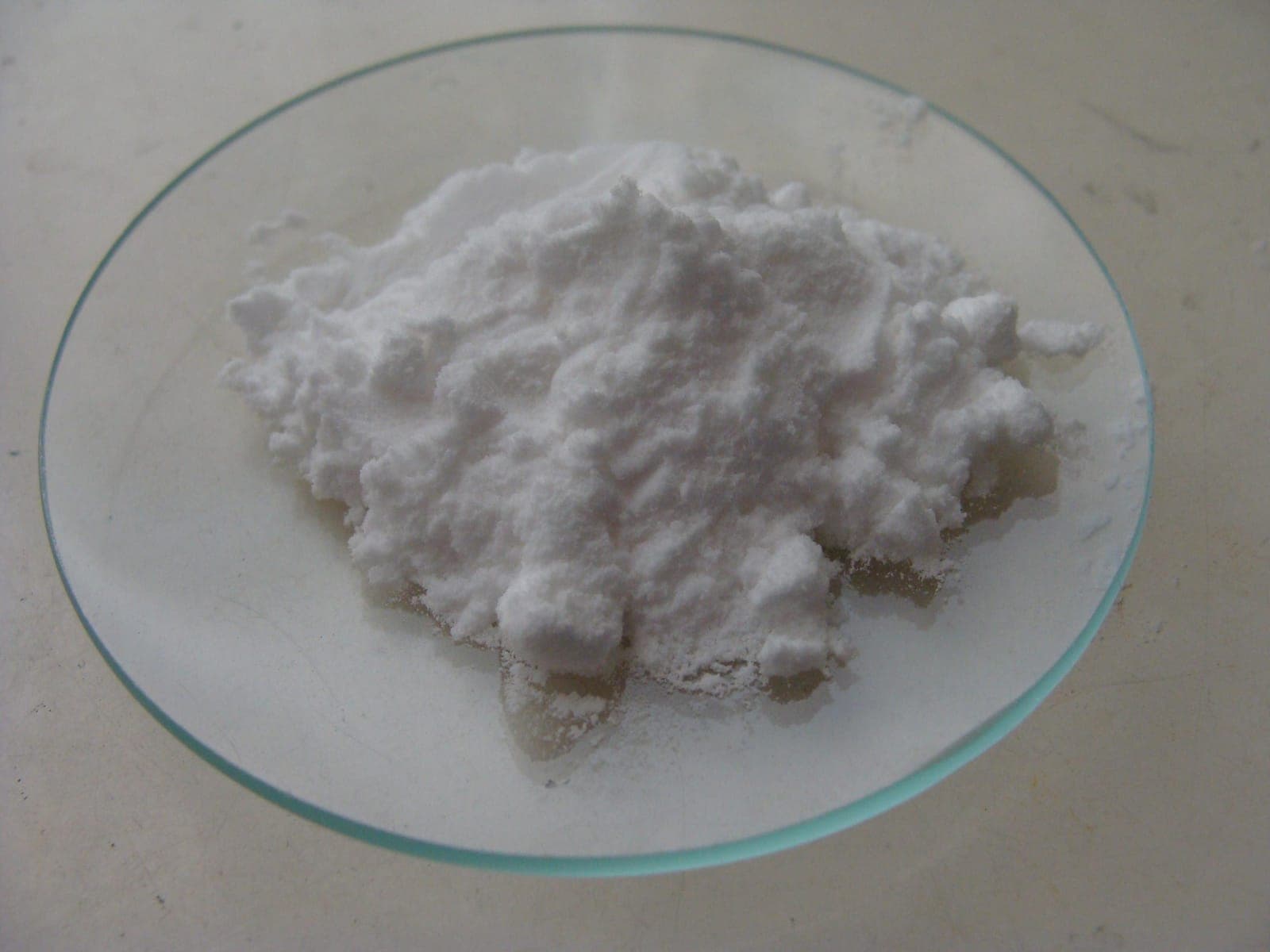
The two white powders sit side by side in the baking aisle with near-identical names, and swapping one for the other partway through a recipe is a classic way to wreck a batch. Nothing on the packet tells you what separates them. So where does the baking soda vs baking powder difference actually start?
Soda does not work alone
Baking soda is a single ingredient, one thing in the tin, and on its own in a batter it does nothing at all.
Baking soda releases carbon dioxide when it reacts with an acid in the batter.1
A recipe leaning on soda always brings an acid along with it, buttermilk or yogurt, brown sugar or cocoa, and leave one of those out and the soda has nothing to react with and the rise never comes. Baking powder exists to take that pairing off your hands.
Powder brings its partner along
The different name makes it sound like a different substance, but there is soda in that tin too.
Baking powder combines a base and an acid, and double-acting types release gas both when wet and when heated.2
Having brought its partner along, powder works in a plain batter with no acidic ingredient of its own, and the double-acting kind pushes once when it meets the wet batter and again when it meets the oven's heat, which leaves less to go wrong. The choice between the two changes more than the rise, though.
It reaches the color, too
A cookie made with soda comes out a different color from one made with powder. Is the way it rises enough to explain that?
The Maillard reaction speeds up in alkaline conditions, so some recipes add baking soda to boost browning.3
Nudging the batter toward the alkaline side makes browning that much easier, so the same dough bakes darker with soda in it than with powder. Why the two are not interchangeable is clear enough by this point.
Use them right
The steps below come straight from the one difference: soda needs an acid, powder brings its own.
- Use baking soda when the recipe already has an acidic ingredient like buttermilk, yogurt, brown sugar, or cocoa. Seeing those names on the list is your cue.
- Use baking powder when the batter has no acid of its own to react with.
- Do not swap them one-for-one; they are not the same strength and do not carry the same acid, and guessing at the substitution costs you the batch.
- Measure carefully, since too much baking soda with no acid to neutralize it leaves a soapy, metallic taste, and there is no fixing that once it is baked.
- Get the batter into the oven promptly when a recipe leans on the wet reaction, so the early gas is not lost. Hunting for a pan after you have mixed is already too late.
- Reach for a pinch of baking soda when you want a batter to brown more deeply, keeping the amount small. Pull a darker tray of cookies out of the oven and that pinch is right there in front of you.
Sources & facts
- 1. Baking soda needs an acid ↩
- 2. Baking powder, self-contained ↩
- 3. Alkalinity accelerates browning ↩
Facts without an external link are drawn from the R&Dish reviewed corpus (textbook-level food science).
TopicSugar & Baking