What Does Autolyse Do in Sourdough? The Rest That Starts Gluten
what does autolyse do sourdough
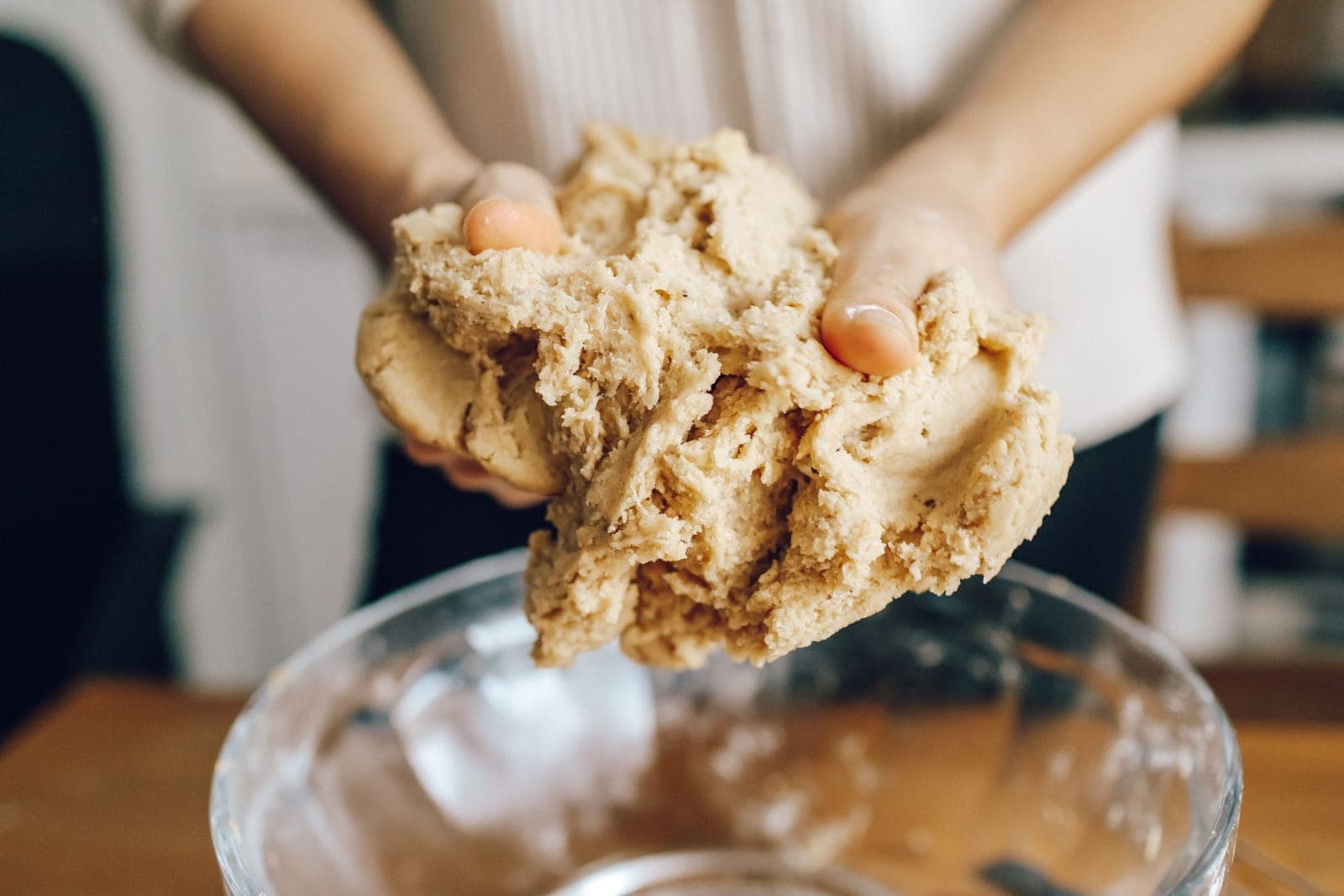
Mix flour and water, wander off for half an hour, and come back to a dough that already feels different: smoother, more cohesive, less inclined to stick to your hands. Nothing was kneaded. Knowing what autolyse does in sourdough is the difference between fighting a stiff dough and letting it half-build itself, so what exactly went on during that quiet rest?
The rest that starts the gluten
Resting flour and water before kneading, called autolyse, lets enzymes and hydration begin gluten development.1
The flour is not idle while it sits: water works its way into the grains while the flour's own enzymes loosen things up, so gluten gets a head start before your hands do anything at all. Autolyse only goes that far, though. The structure itself gets built by working the dough.
Kneading develops gluten by aligning and strengthening the protein network, giving dough elasticity.2
Autolyse and kneading are two stages of the same job, then: the rest starts gluten development through hydration and enzymes, and the kneading finishes it by aligning the network. Think of the rest as preparation and the kneading as construction, one wetting and softening the raw material, the other assembling it into something that can trap gas and hold a shape. Why should hydration matter that much right at the start?
Gluten forms when the wheat proteins glutenin and gliadin hydrate and link into an elastic network.3
Then fermentation and salt take over
A structured dough still has to rise, and sourdough manages that without any commercial yeast.
Sourdough rises through wild yeasts and lactic acid bacteria that produce carbon dioxide and organic acids.4
Wild yeasts and bacteria are fussy about time and conditions. One ingredient already in the kitchen lets the baker hold the reins on both the rise and the dough's strength.
Salt slows yeast fermentation and tightens gluten, giving bakers control over dough rise and structure.5
So a loaf is a sequence of controls: once autolyse and kneading have built the gluten, wild fermentation lifts it and salt paces the whole thing. Autolyse is the quietest first move of the lot.
Put autolyse to work
The technique costs nothing but a timer, and working through the steps below puts its effect straight into your fingertips.
- Mix just flour and water, hold back the starter and salt, and rest the shaggy dough for roughly 20 to 60 minutes before kneading.
- Notice the dough after the rest: it should feel smoother and stretch more willingly, because hydration and enzymes have begun the gluten development for you.
- Add salt after the autolyse, not during it, so it does not slow the ferment or tighten the gluten before the rest has done its work.
- Fold in the active sourdough starter once the rest is done, then knead to align and strengthen the network that autolyse only started.
- If a dough tears rather than stretches, nothing is ruined; give the next batch a longer autolyse, since more time for hydration and enzymes to begin the gluten development usually leaves it more workable before you knead, and tearing the finished loaf open by hand is the satisfying part anyway.
Sources & facts
- 1. Autolyse: rest before kneading ↩
- 2. Kneading builds gluten ↩
- 3. Gluten: glutenin meets gliadin ↩
- 4. Sourdough: wild yeast and acid ↩
- 5. Salt controls the rise ↩
Facts without an external link are drawn from the R&Dish reviewed corpus (textbook-level food science).
TopicSugar & Baking