What Is Brown Butter, and How to Make It Without Burning It
what is brown butter how to make
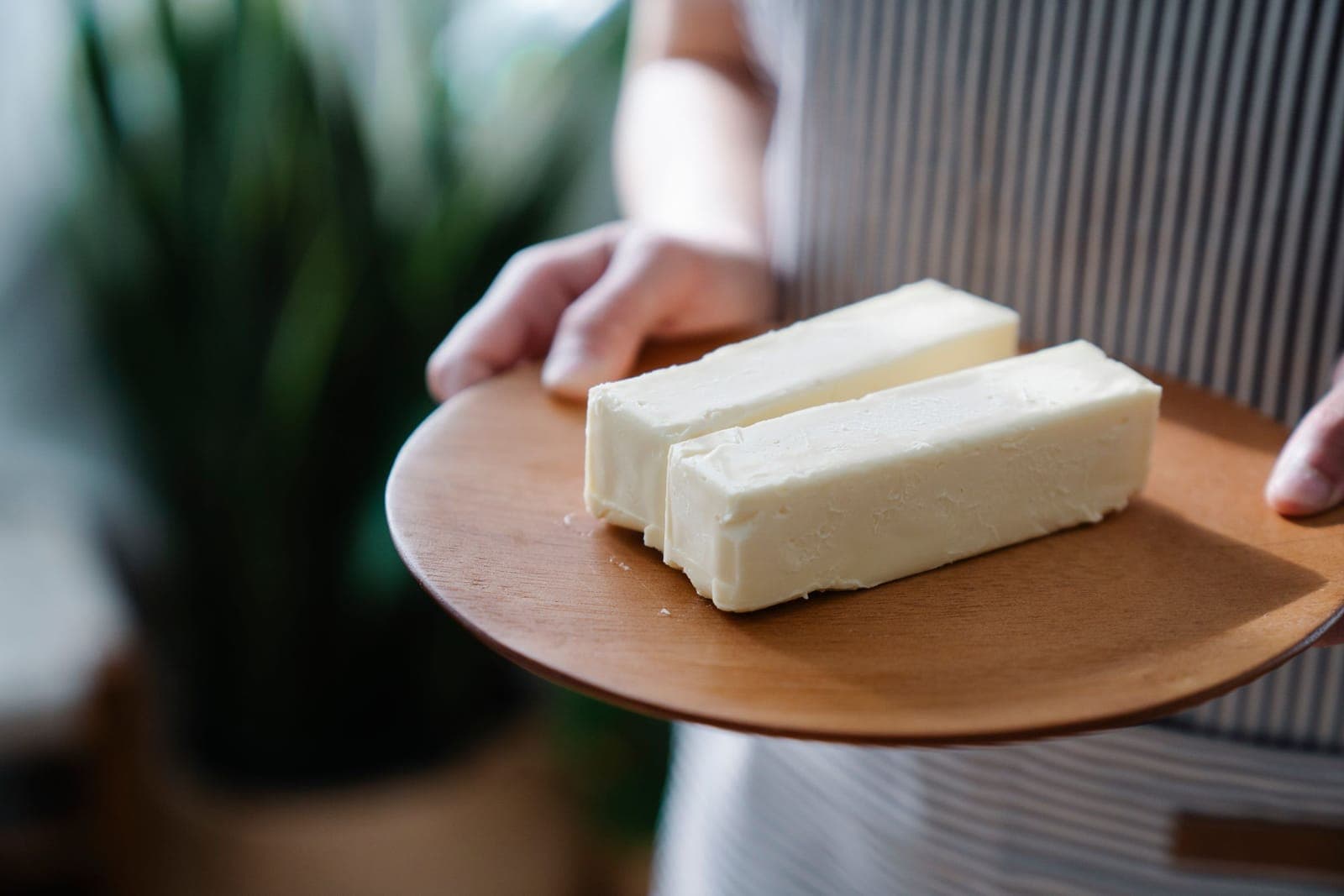
Melt butter a little too long and something wonderful happens: it foams up, quiets down, and then fills the kitchen with a smell like toasted hazelnuts, brown flecks swirling at the bottom of the pan. That is brown butter, beurre noisette, one of the easiest ways to add real depth to a dish, from a pan sauce to a batch of cookies, and one of the easiest things to burn. So what is it in there that actually turns brown?
What actually browns
A stick of butter looks uniform and simple, and it is really a few things blended together.
Butter is roughly 80 percent milk fat, with the remainder mostly water and milk solids.1
The fat mostly just gets hot and stays clear, and the water boils off in that early, noisy foam, which leaves the milk solids, the fine specks at the bottom, to toast and color. Those specks do not arrive with proteins alone.
Lactose, the sugar in milk, is a disaccharide of glucose and galactose.2
A sugar and proteins together over steady heat are exactly the pairing a browning reaction feeds on, and the reaction that browns your toast and sears your steak starts running right there in a pan of gently bubbling butter.
The Maillard reaction is a browning reaction between amino acids and reducing sugars that generates hundreds of flavor compounds.3
One branch of that chemistry pulls harder at your nose than the rest. Where does that particular smell come from?
Strecker degradation, part of Maillard chemistry, converts amino acids into aldehydes that carry roasted and malty aromas.4
Brown butter is not butter burning, it is milk solids toasting: the water leaves first in the foam, then the sugar and proteins brown, and up comes the roasted, malty smell you are chasing. The trouble is that the line between nutty and burnt is only a few seconds wide.
Make brown butter without burning it
The whole game is seeing and smelling the solids, so the steps below are about being ready for those few seconds. Burnt butter cannot be walked back, which is reason enough to stay at the pan.
- Use a light-colored pan so you can watch the milk solids go from pale to amber. In a dark pan that color shift is hard to read.
- Melt the butter over medium heat and let it foam as the water boils off.
- Swirl the pan once the foam subsides and the solids sink and begin to color. This is where it really starts.
- Keep your nose over it; it turns from nutty to acrid in seconds once the flecks darken.
- Pull it off the heat the moment it smells nutty and the flecks are golden brown, then pour it straight out of the hot pan. There is no time to deliberate.
- Scrape the toasted solids out with it, since that is where most of the flavor lives, and use them, flecks and all, whether they are going into cookie dough or over a plate of pasta.
Sources & facts
- 1. Butter: an 80 percent fat emulsion ↩
- 2. Lactose: milk's built-in sugar ↩
- 3. The Maillard reaction, defined ↩
- 4. Strecker: aroma from amino acids ↩
Facts without an external link are drawn from the R&Dish reviewed corpus (textbook-level food science).
TopicEmulsion & Dairy