Why Does Cilantro Taste Like Soap? The Aroma Behind the Divide
why does cilantro taste like soap
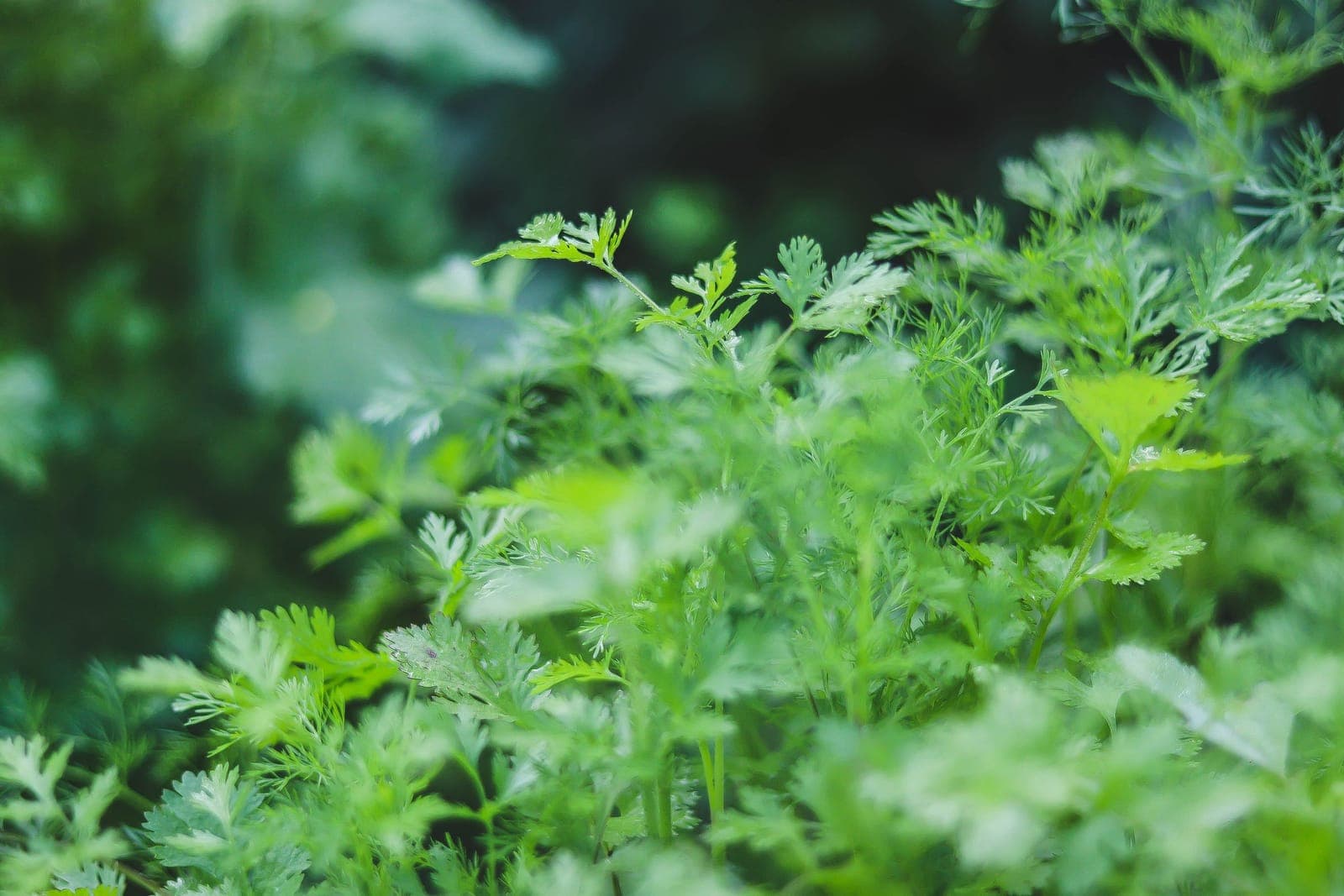
Few ingredients split a table like cilantro. Half the people at it taste bright, green citrus; the other half taste dish soap and cannot understand what the first half are so happy about. It is one of the few foods people will argue about with real feeling. If cilantro tastes like soap to you and not to your friend, where does that split actually come from?
The soapy note has a source
The smell that some people read as clean laundry or hand soap is not imagined, and it is not a matter of not trying hard enough to like it. The soapy note has an address.
Cilantro's polarizing aroma comes from aldehydes that some people perceive as soapy.1
The word worth pausing on is perceive, because the same molecules sit in the leaf on everyone's plate and it is the reading of them that differs from one nose to the next. Cilantro also belongs to the wider family of delicate herbs.
Many herb aromas come from terpene compounds, which are volatile and easily lost to heat.2
The same lightness that lifts the aroma to your nose is what makes fresh cilantro taste so lively and green, and what makes it collapse in a hot pan. So when should it go into the pot?
Delicate herb aromatics are best added late in cooking because heat drives off their volatile compounds.3
Whichever camp you fall into, the aroma is delicate either way, and long cooking drives it off and mutes the whole character, the fresh citrus and the soapy note alike. It is a herb that gives its best in the last minute and loses it in the first ten, which is why it belongs at the end, stirred in raw where its aroma still has somewhere to go.
Cook with cilantro
Treat it as a finishing herb rather than a base note to be cooked down and it gives you everything it has. Changing only when it goes in changes the same bunch entirely.
- Add cilantro raw at the very end, off the heat, so its fresh aroma survives to the plate.
- Stir it through finished dishes, salsas, and garnishes rather than simmering it in.
- If the raw aroma is too strong for you, a brief cook drives off its volatile compounds and softens it overall, which is a useful move when the table is split.
- Use the tender stems too; they carry plenty of flavor and hold up a little better than the leaves.
- Keep the bunch like flowers, stems in water in the fridge, so the volatile aromatics do not fade early.
- Pair it with lime and chili, whose bright, sharp flavors sit naturally alongside its citrus side, and one bite of a taco with all three in it explains why they always travel together.
Sources & facts
Facts without an external link are drawn from the R&Dish reviewed corpus (textbook-level food science).
TopicPairing & Flavor