Why Does Sichuan Pepper Numb Your Mouth? The Sanshool Tingle
why does sichuan pepper numb your mouth
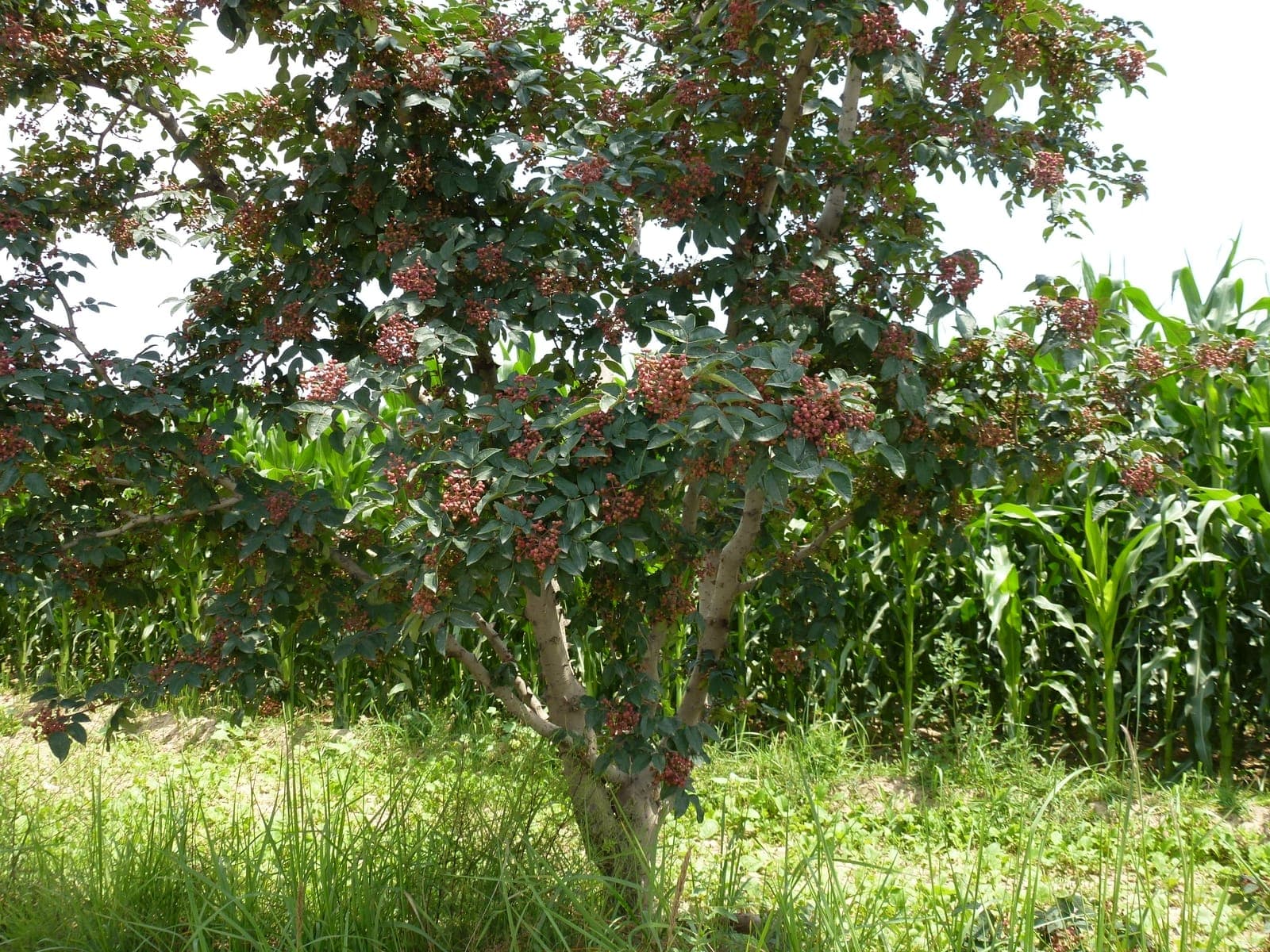
Take one bite of a mala dish and your lips start fizzing, and if you have never felt it before the first reaction is usually confusion. Chili heat does not do this. The numbness and the burn share a plate, but they come from different molecules working on different nerves, and the whole sensation only makes sense once you pull the two apart.
The tingle is a blocked nerve, not a taste
Ask which receptor picks up that buzz and the answer turns out to sit outside taste altogether.
Hydroxy-alpha-sanshool, the pungent alkylamide of Sichuan pepper, excites somatosensory neurons by inhibiting the pH-sensitive and anesthetic-sensitive two-pore potassium channels KCNK3, KCNK9, and KCNK18, which removes a resting braking current and depolarizes touch-sensitive and pain-sensitive fibers. The channel identifications come from heterologous expression systems and recordings from mouse sensory neurons.1
What sanshool does is lift a brake off the touch and pain nerves, so fibers that should be sitting quiet start firing one after another. If that is not a taste, what is the brain actually reading?
The tingle from Sichuan pepper is perceived as a mechanical vibration of about 50 hertz, matching RA1 light-touch afferents, and pre-adapting that tactile channel with real vibration lowers the perceived tingle frequency, evidence that it engages a mechanosensory rather than a taste pathway. The 50 hertz match and the pre-adaptation effect are results from human psychophysical experiments on the lip.2
The smell is a separate molecule
While your tongue buzzes, citrus and flowers come up through your nose at the same moment, so the whole thing feels like one event; the aroma, though, rides an entirely different set of compounds.
The aroma of Sichuan pepper comes from a volatile terpene fraction dominated by monoterpenes such as limonene and the potent aroma-active alcohol linalool, whose low odor thresholds define the citrusy, floral scent of huajiao, distinct from the non-volatile sanshool amides that cause the tingle.3
Inside one husk, half the spice hums against your nerves while the other half lifts off as scent, and the two are strangers from the start. The last piece is the heat it so often shares a plate with.
Why mala is tingle plus heat
On a mala plate the numbness runs straight into chili fire, and that fire is its own system, with nothing to do with the tingle.
Chili heat is not a taste but a pain signal: capsaicin binds and opens the TRPV1 ion channel on pain-sensing neurons, letting sodium and calcium flow in to depolarize the neuron and fire the burning sensation, the same channel that noxious heat activates.4
Sanshool releases the touch nerves into a buzz while capsaicin opens the pain channel into heat, and the fun of mala is in how the two collide inside a single mouthful. Two sensations, one plate.
- Bloom whole Sichuan peppercorns briefly in warm oil to carry both the tingling amides and the aromatic terpenes into the dish.
- Pair the tingle with chili heat for true mala, letting the sanshool buzz and the capsaicin burn arrive as two distinct sensations.
- Add the peppercorns late or as a finish when you want the tingle and scent sharp, since the aromatic terpenes are volatile and fade with long cooking.
- Grind the peppercorns fresh and sift out the gritty seeds, keeping the fragrant husk that carries the scent; a few seeds slipping through will not ruin anything.
- Expect the tingle to read as a fast vibration rather than a flavor, and lean into that novelty when you plate a mala dish for others, because the face somebody makes on the first buzzing mouthful is half of what this spice is for.
Sources & facts
- 1. Sanshool tingle: blocking potassium channels ↩
- 2. Sichuan pepper tingle reads as 50 hertz vibration ↩
- 3. Huajiao aroma and tingle from different molecules ↩
- 4. Chili heat is pain: capsaicin and TRPV1 ↩
Facts without an external link are drawn from the R&Dish reviewed corpus (textbook-level food science).
TopicPairing & Flavor