Why Won't My Egg Whites Whip? The Science of a Meringue Foam
why won't my egg whites whip
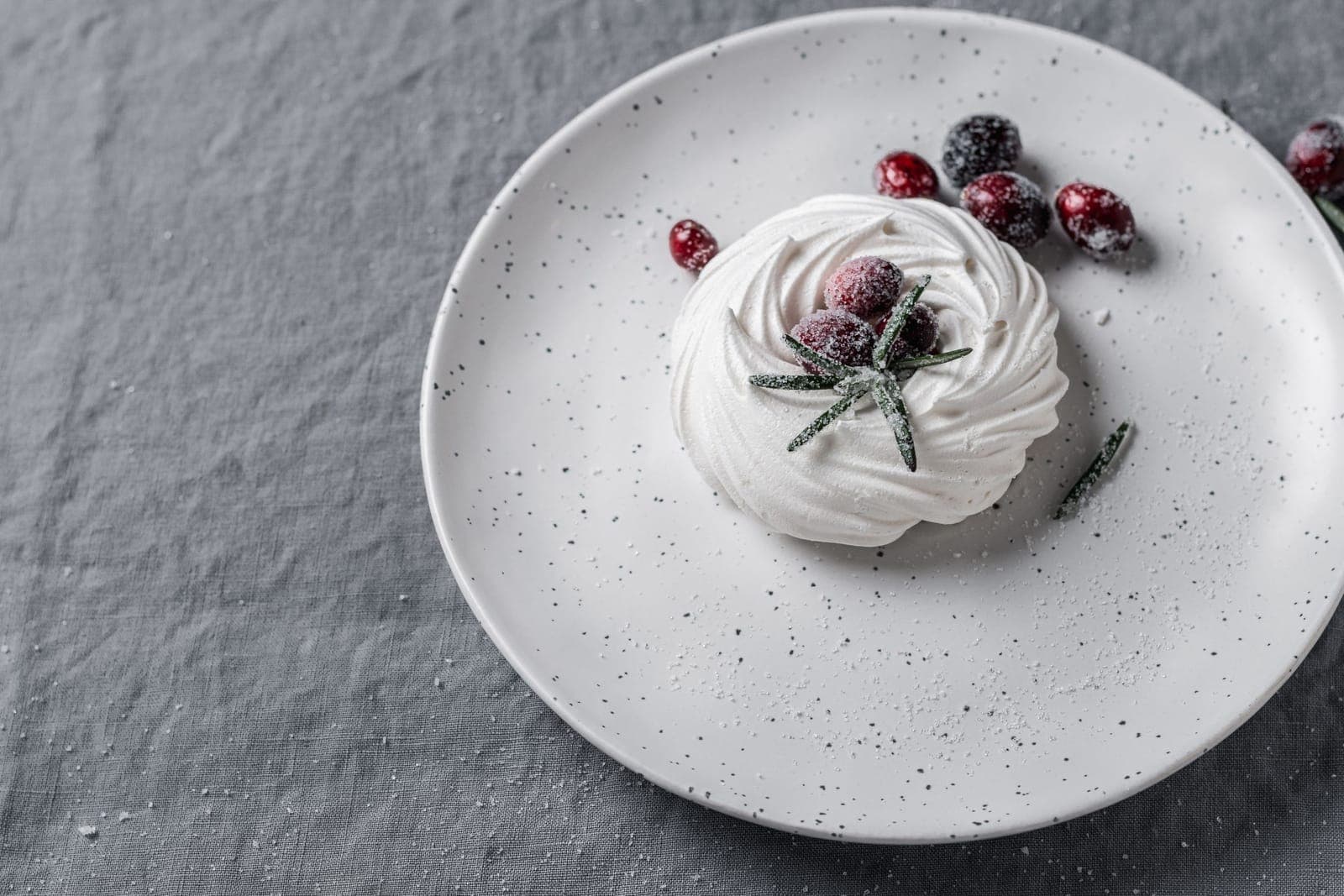
You have been whisking for five minutes, the mixer on high, and the whites are still a slack, soupy puddle that refuses to climb the bowl. Is it your arm? If you are asking why your egg whites won't whip, the answer is almost never your arm or your mixer, and almost always what is happening, or failing to happen, to the proteins inside those whites.
What whipping actually does
A raw egg white is mostly water with proteins coiled up tight inside it, folded like tiny springs. Is the whisk really just pushing air in?
Whipping egg whites unfolds their proteins, which stabilize trapped air into a foam. The unfolding occurs as the proteins adsorb at the air and water interface that whipping creates, not through a chemical agent added to the whites.1
A foam that will not build usually means the proteins never got the clean, uninterrupted start they need to unfold and gather around the air, which is why a spotless bowl and whites free of any yolk count for more than how hard you beat. Get the start right and the rest climbs on its own.
From soft foam to firm meringue
A whipped foam is stable but still soft, and left to sit it will slowly weep and settle. Turning it into something that shatters when you bite it takes one more step.
Heat denatures proteins by unfolding their structure, after which they bond into a firm network.2
In a low oven those unfolded proteins link into a network around the air pockets, and the soft foam dries into something that crumbles under a fingertip. The whisk builds the structure and the oven locks it in place, and both steps are the same proteins doing the work.
Get egg whites to whip
Most whipping failures trace back to the first thirty seconds, which is why nearly every step below happens before the whisk goes in. A failed batch is no great loss either, since fresh whites usually come up on the second try.
- Start with a spotlessly clean, dry bowl and whisk, since any film left behind works against the foam. If you are unsure, wipe it once more.
- Separate the eggs carefully so not a trace of yolk lands in the whites. If one breaks, send that egg somewhere else and crack another.
- Let the whites come to room temperature before you begin.
- Add sugar gradually, only once soft peaks have formed, rather than all at once at the start.
- A pinch of cream of tartar or a drop of acid helps the foam hold its shape.
- Whip to stiff, glossy peaks and then stop; taken too far, whites turn grainy and slump, so do not keep going just because stopping feels like a waste.
- Bake low and slow so the heat can set the foam through without browning it. Press a finished meringue with a fingertip and you can hear how different it is.
Sources & facts
Facts without an external link are drawn from the R&Dish reviewed corpus (textbook-level food science).
TopicSugar & Baking