Miso Caramel: The Science of Fermented Salty-Sweet
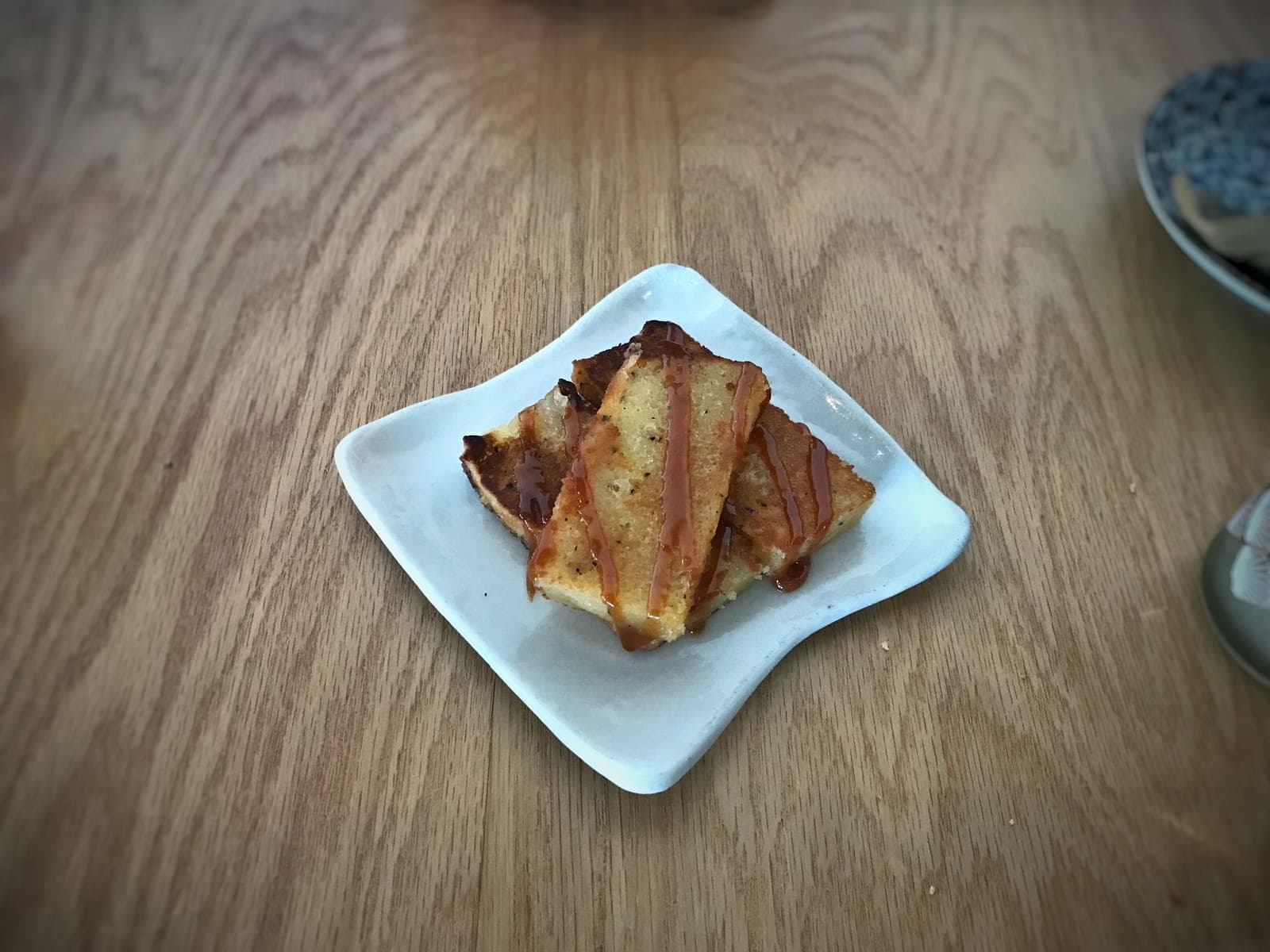
Salted caramel earned its place on every dessert menu by proving a simple point: a pinch of salt makes sweetness taste deeper. Miso caramel stands one step past that, because stirring in a spoonful of white miso instead of plain salt gives the sauce a savory, almost butterscotch complexity that sugar alone cannot reach, and the whole thing reads more grown-up and more layered. So why does fermented soybean paste work in a dessert?
What miso brings to the pan
Miso is not just salty paste. Like soy sauce and other fermented soybean products it is the output of a long biological process that stacks up flavor compounds, the sort you cannot fake by stirring things together at the last minute.
Miso is made by fermenting soybeans with koji and salt, releasing glutamate that gives its umami.1
That free glutamate is the savory, mouth-filling character we call umami, and it is exactly what a sweet sauce normally goes without. Dropped into caramel it does more than add a savory note; it changes how full the whole sauce feels.
Umami increases salivation and the perceived richness and mouthfulness of food.2
So the miso is quietly making the caramel taste richer and hang around longer on the palate. Glutamate is only half of it, though. Miso carries salt as well, and salt does its own precise work against the sweetness.
Why salty-sweet balances instead of fighting
Caramel is made by pushing sugar to the edge of burning, and that same browning is what gives it a faint bitter backbone. Salt is the counterweight.
Salt suppresses the perception of bitterness and enhances other flavors.3
The salt in the miso softens caramel's scorched, bitter edge and lifts the flavors around it, which is the same trick a pinch of flaky salt performs on classic salted caramel. Sweetness then answers back in kind.
Sweetness reduces the perceived intensity of astringency and bitterness on the palate.4
The caramel's sugar keeps the miso's saltiness and any bitter or astringent notes from taking over, so each side holds the other in check and the result tastes balanced rather than like a salty accident. That leaves one variable. How much miso goes in is worth dialing in on purpose.
Test it in your own kitchen
Miso varies in salt and strength from brand to brand, so treat the amounts below as a range to taste through rather than a fixed recipe. Working up in small percentage steps lands you on the point where the sauce reads as complex, just before it tips into openly savory.
- Cook a batch of caramel sauce and let it settle, since a hot sauce mutes the salt and umami you are trying to judge; there is no hurry, so let it come down on its own.
- Divide the caramel into four equal portions so each miso level starts from an identical base.
- Stir white miso into the portions at 0%, 0.5%, 1%, and 2% by weight, keeping the 0% as a plain-caramel control to taste against.
- Let all portions cool to the same temperature, because warmth shifts how sweet and salty each one tastes.
- Taste the portions side by side and note where the sauce gains depth versus where the miso starts to dominate.
- Note the miso level that tastes most balanced for how you plan to use it.
- Use that portion as a dessert sauce, a glaze, or a filling, and spooning it over ice cream is where you finally taste why plain salt never gets this far.
Sources & facts
- 1. Miso: koji-driven umami ↩
- 2. Umami deepens richness ↩
- 3. Salt tames bitterness ↩
- 4. Sweetness softens astringency ↩
Facts without an external link are drawn from the R&Dish reviewed corpus (textbook-level food science).
TopicPairing & Flavor