Notes from the source
- Meat & HeatWhy Double Fry Chicken? The Crust Science Behind Karaage and Wings
Why double fry chicken? One pass cannot build the crust and crisp it at once. Here is what each pass does, and when the oil really soaks in.
2026-08-18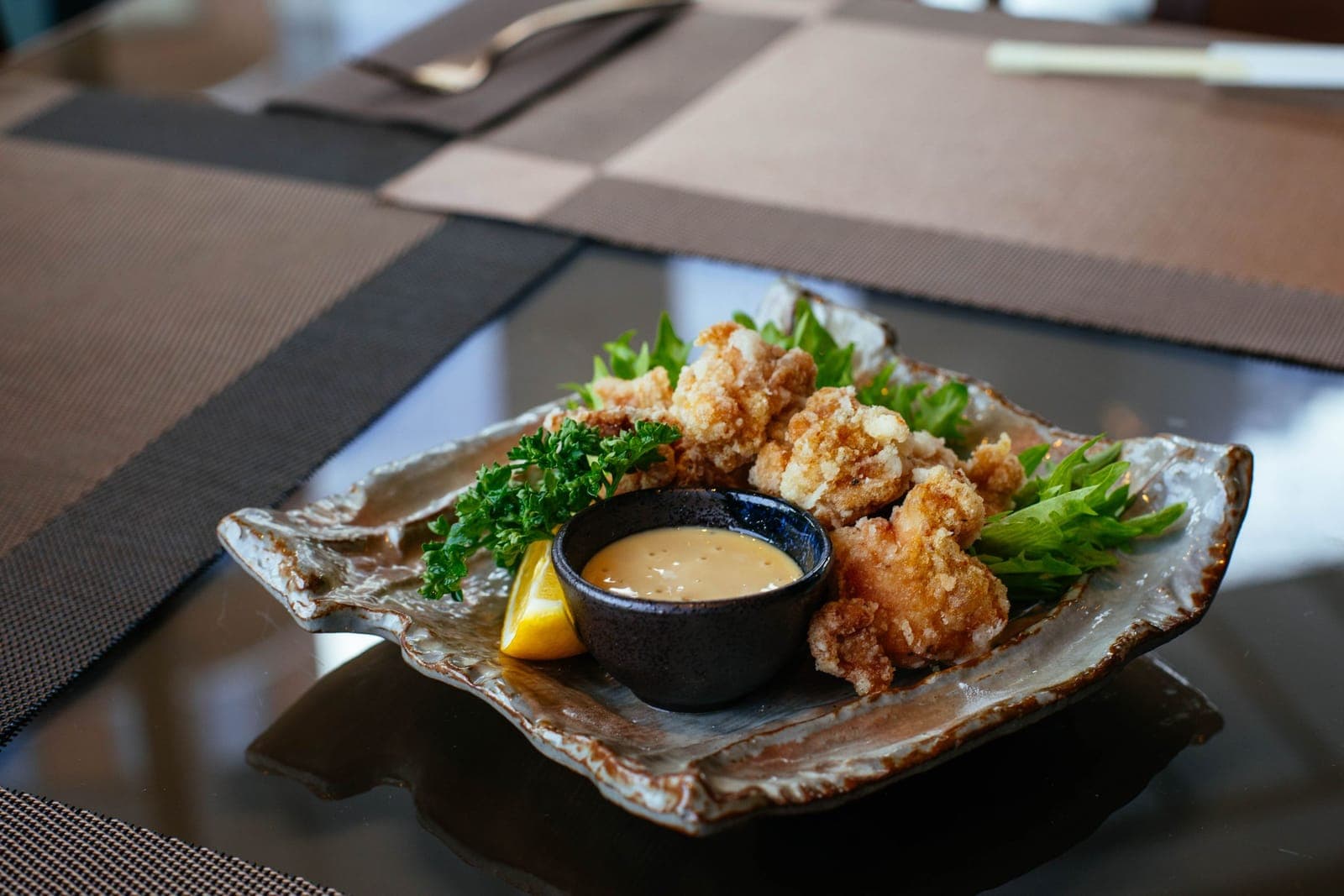
- Fermentation & UmamiFish Aging and Umami: What the K-Value Says About Freshness
The savory flavor of fish is built after slaughter, not before it. How aging raises umami, and how the K-value tracks freshness before bitterness sets in.
2026-08-18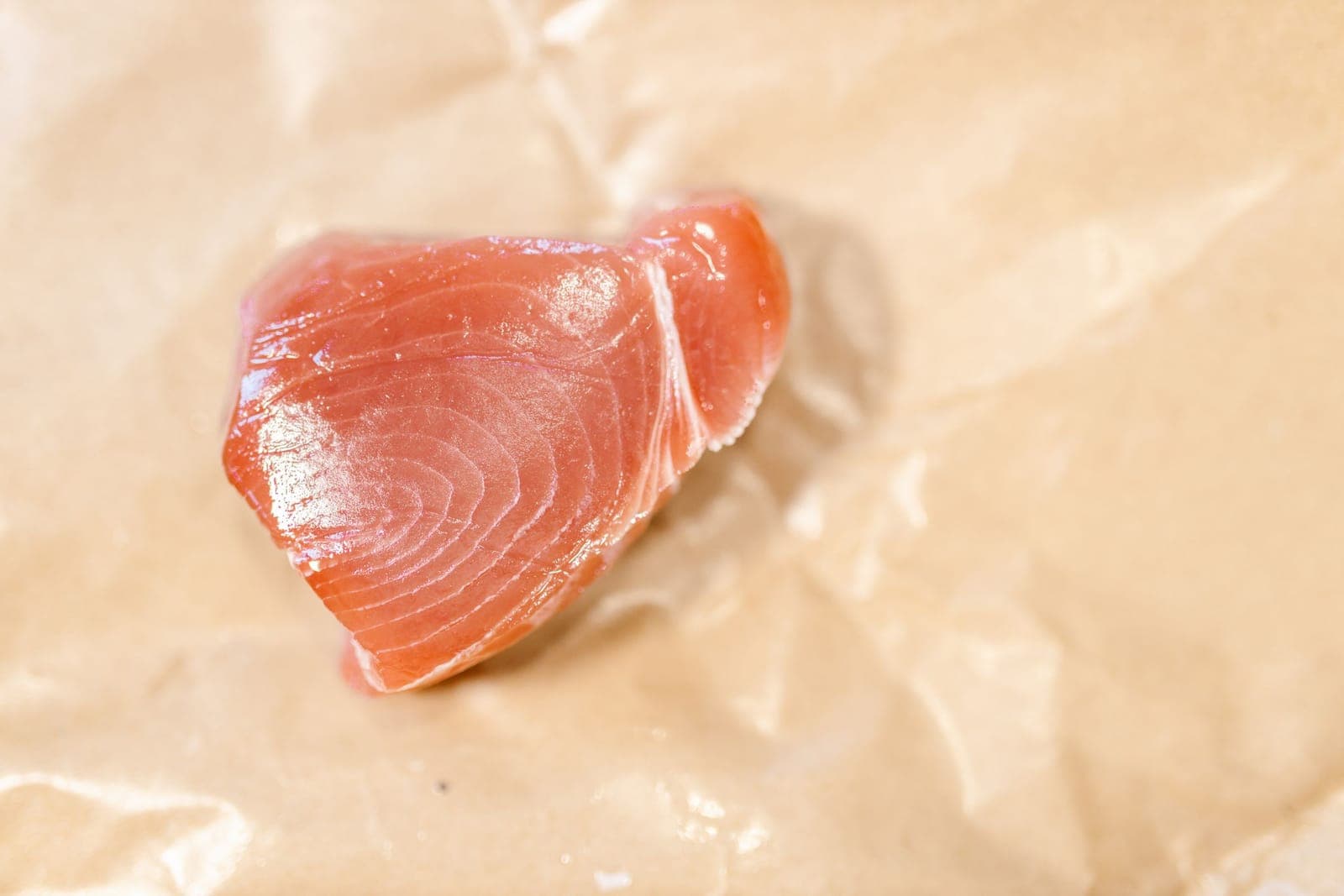
- Fermentation & UmamiWhat Is Koji, and How Does One Mold Do So Many Jobs?
Steamed rice turns sweet, soybeans turn savory, meat turns tender. What koji enzymes actually do, which one drives which result, and why the mold is safe.
2026-08-18 - Fermentation & UmamiWhy Kombu Dashi Steeps at 60 Degrees Instead of Boiling
Kombu carries an unusual load of free glutamate, and kombu dashi temperature is what draws it out: a steep near 60 degrees, never a boil.
2026-08-18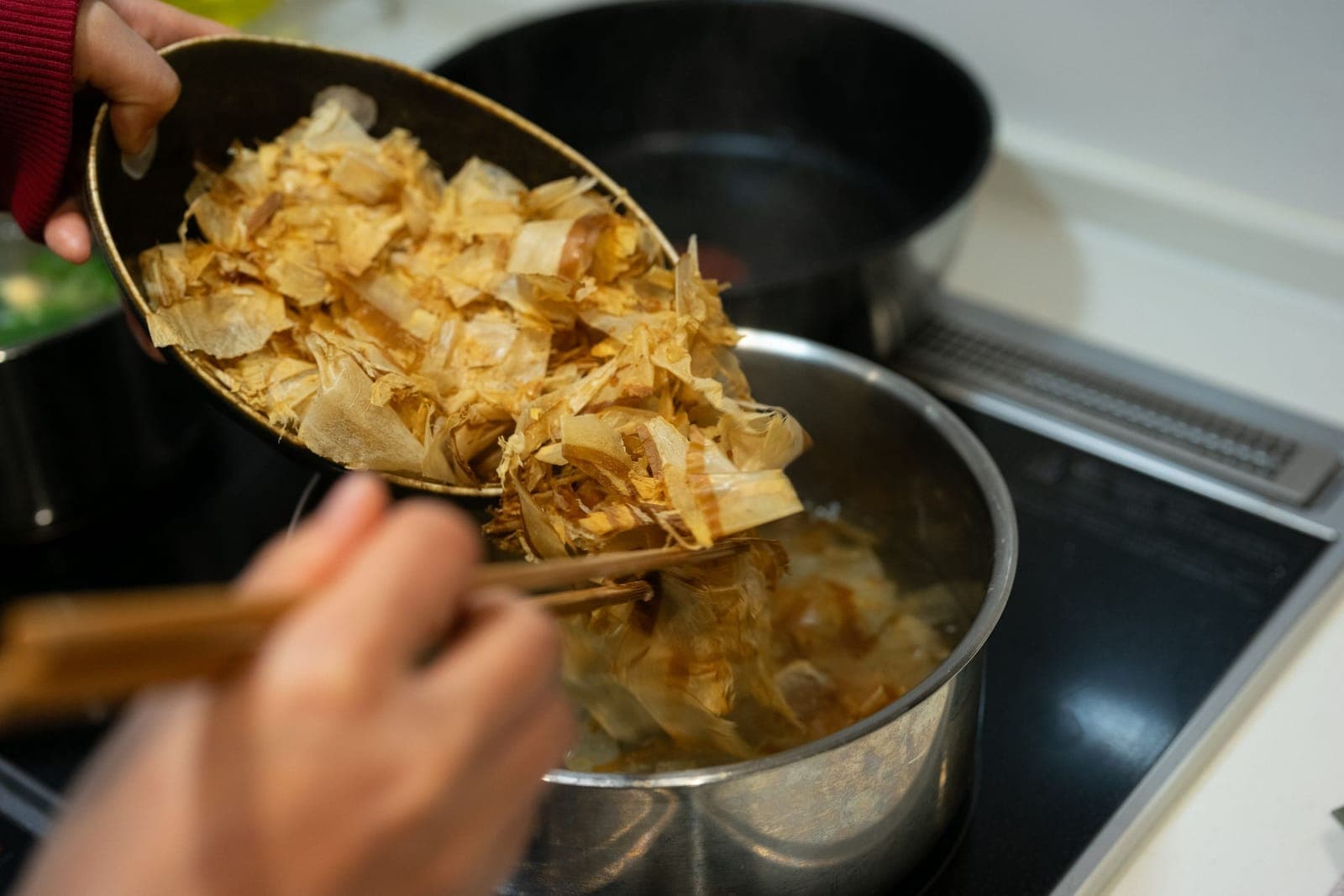
- Kitchen SafetyIs Raw Fish Safe to Eat at Home? What Freezing Actually Requires
Buy fish in the afternoon and slice it that evening and a step is missing. Raw fish at home hinges on freezing that kills parasites, not on freshness.
2026-08-18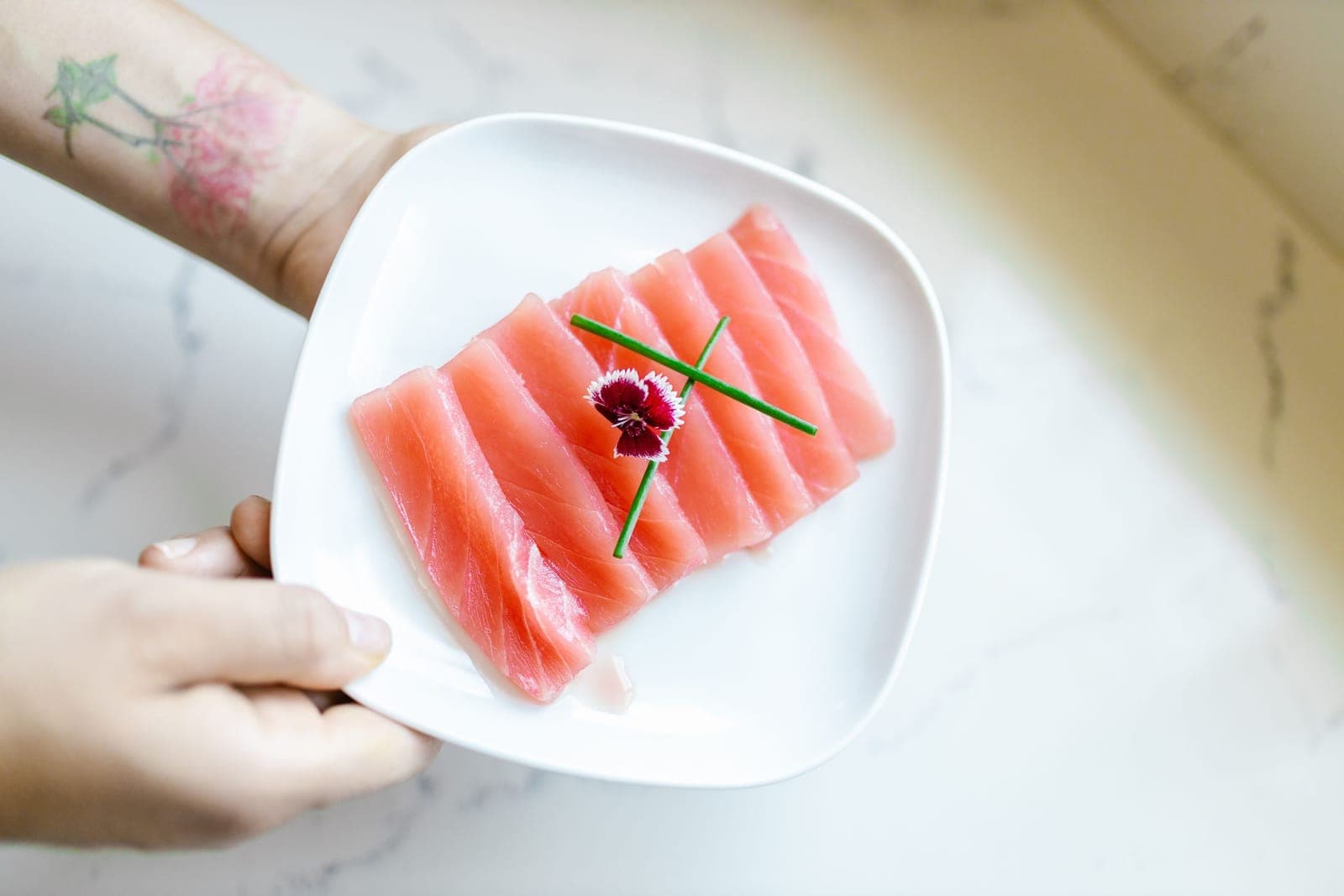
- Pairing & FlavorWhy Does Sichuan Pepper Numb Your Mouth? The Sanshool Tingle
Sichuan pepper's tingle is not a taste. Sanshool blocks potassium channels and reads as a fast vibration, a separate system from the chili heat in mala.
2026-08-18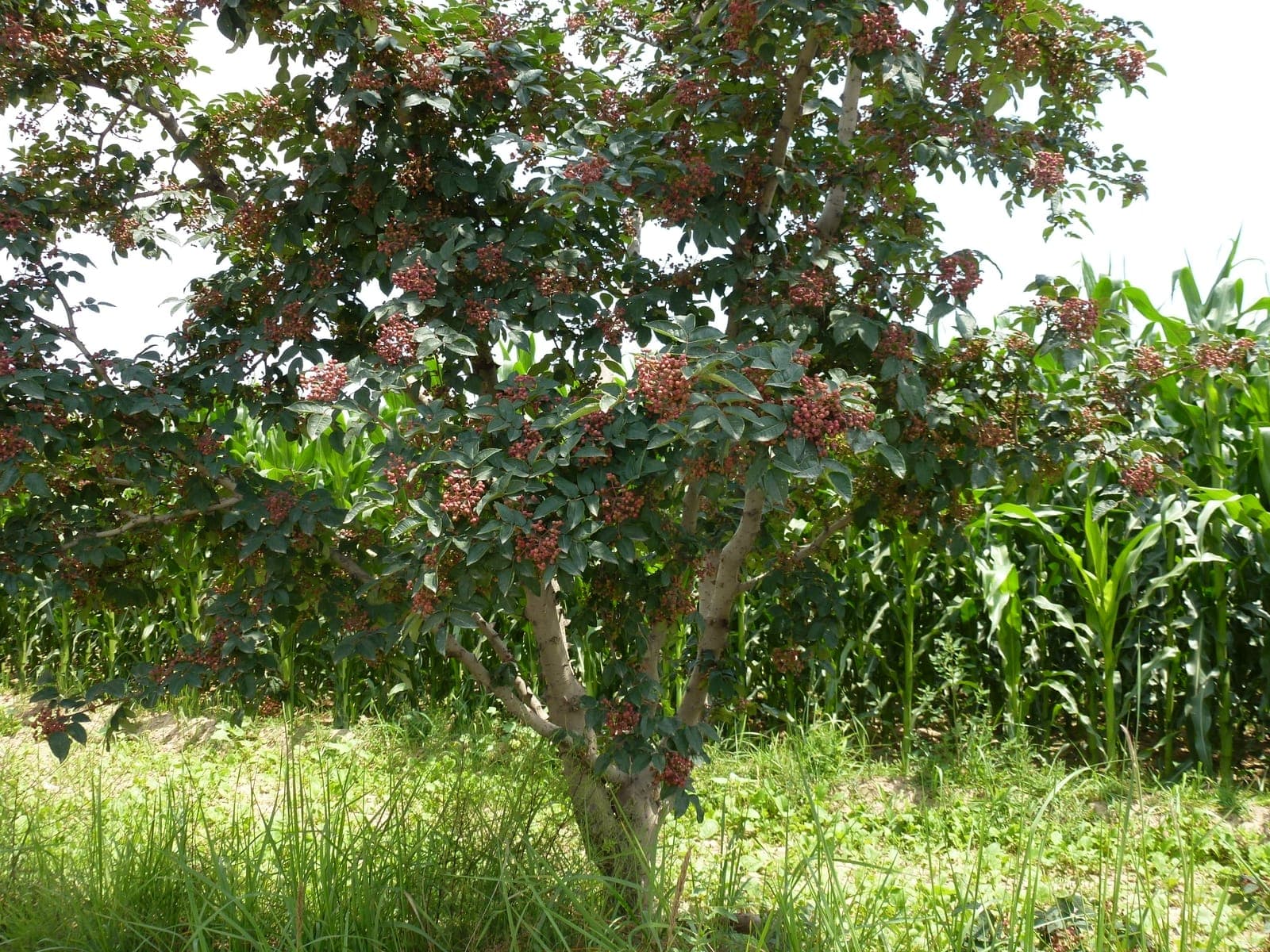
- Everyday ScienceWhy Soup Tastes Saltier When Cold: A Trick of Perception, Not Salt
Cold soup does not gain salt. Chilling mutes its sweet, sour, and aromatic notes faster than the salty one, so the salt already there stands out.
2026-08-18
- Everyday ScienceWhy Doesn't Water Help Spicy Food? The Fat and Sugar Behind the Fix
Why doesn't water help spicy food? Capsaicin dissolves in fat, not water, which is why milk and a little sweetness work where a glass of water fails.
2026-08-18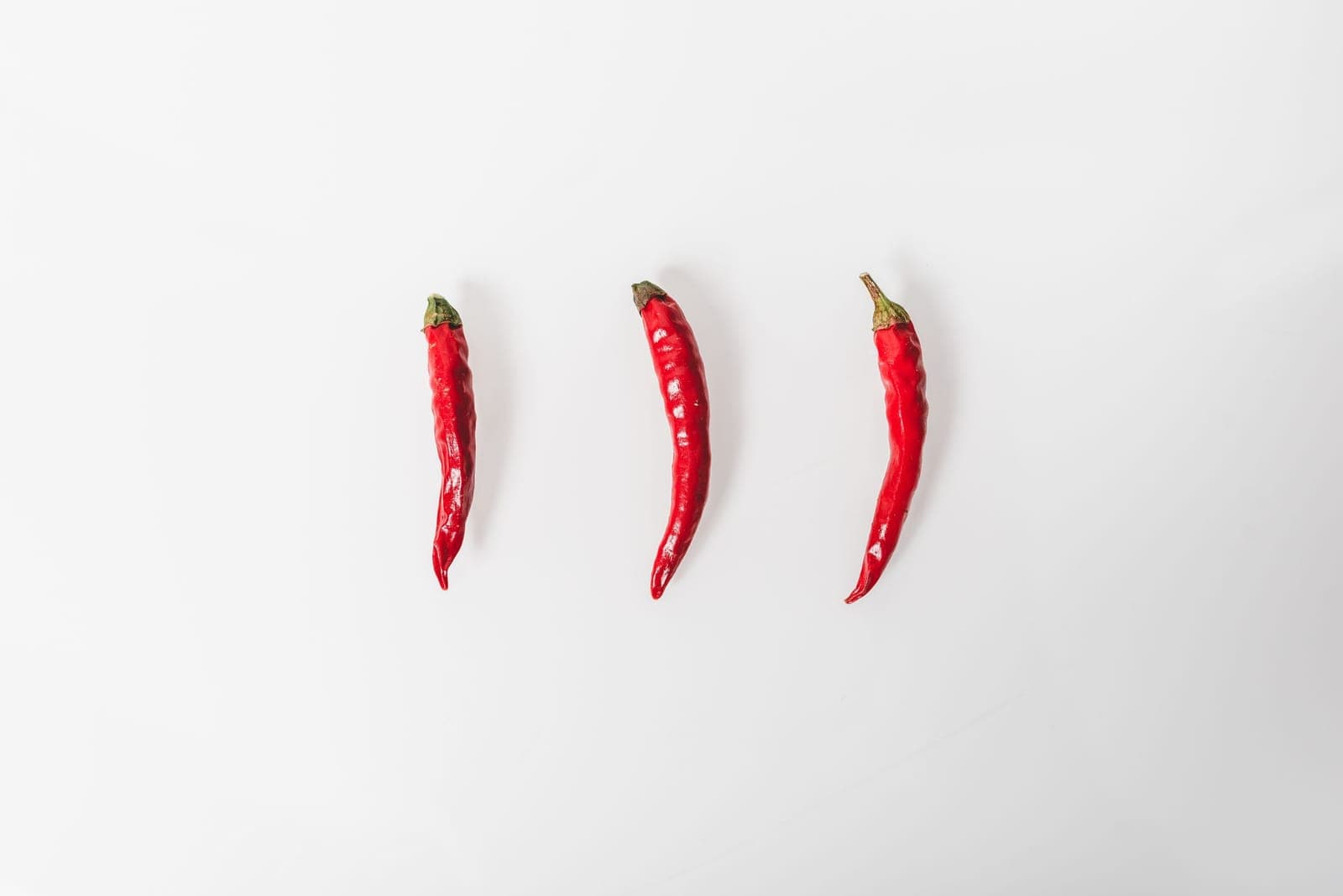
- Fermentation & UmamiHow Does Fermentation Create Umami?
The savoriness in soy sauce and fish sauce was never added. Why fermentation creates umami comes down to enzymes and time taking proteins apart.
2026-08-17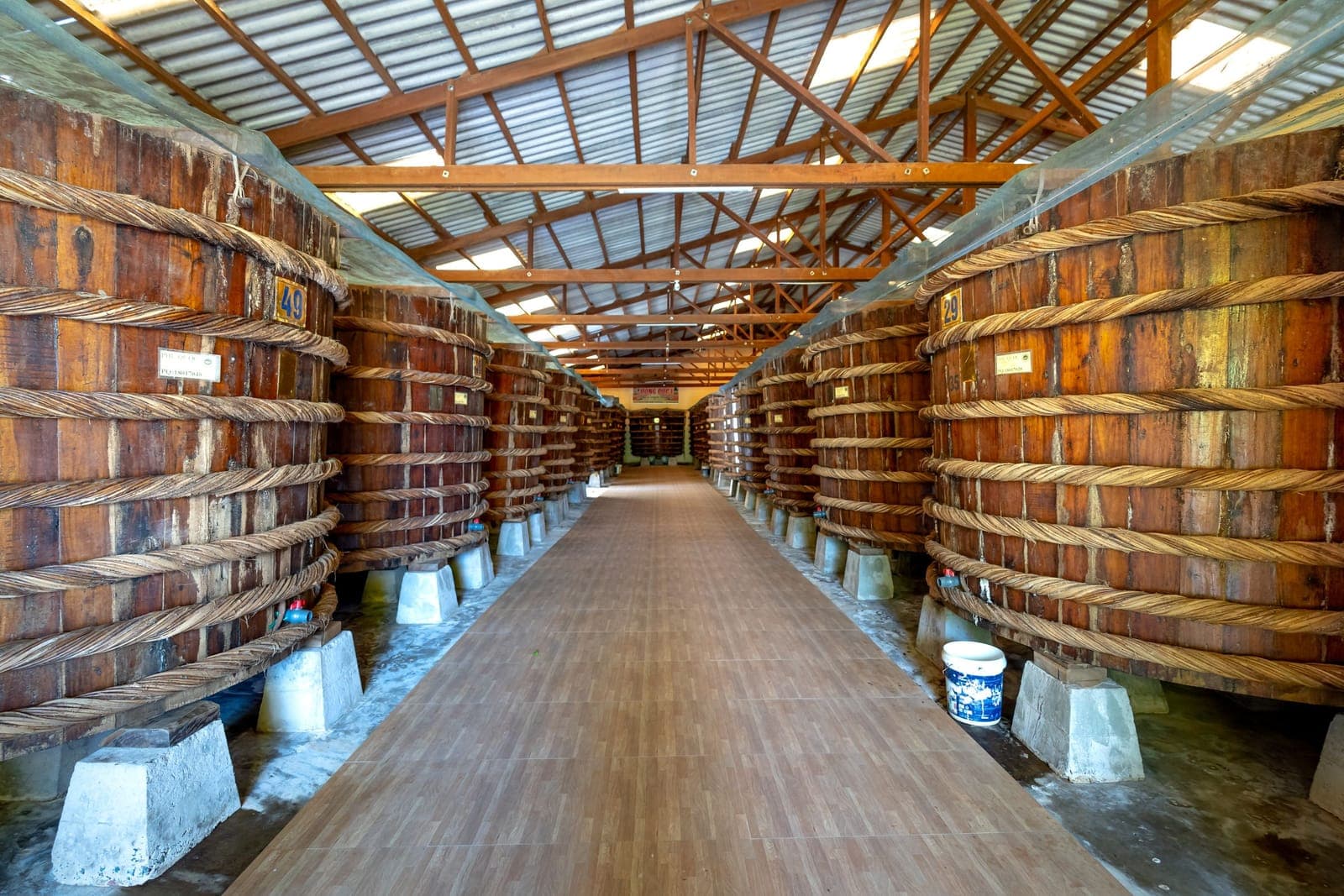
- Pairing & FlavorHerb Aroma Compounds: A Cook's Map of Terpenes and When to Add
A cook's map of herb aroma compounds: the terpenes behind basil, Thai basil, lemongrass, and citrus zest, and why heat means you add the delicate ones late.
2026-08-17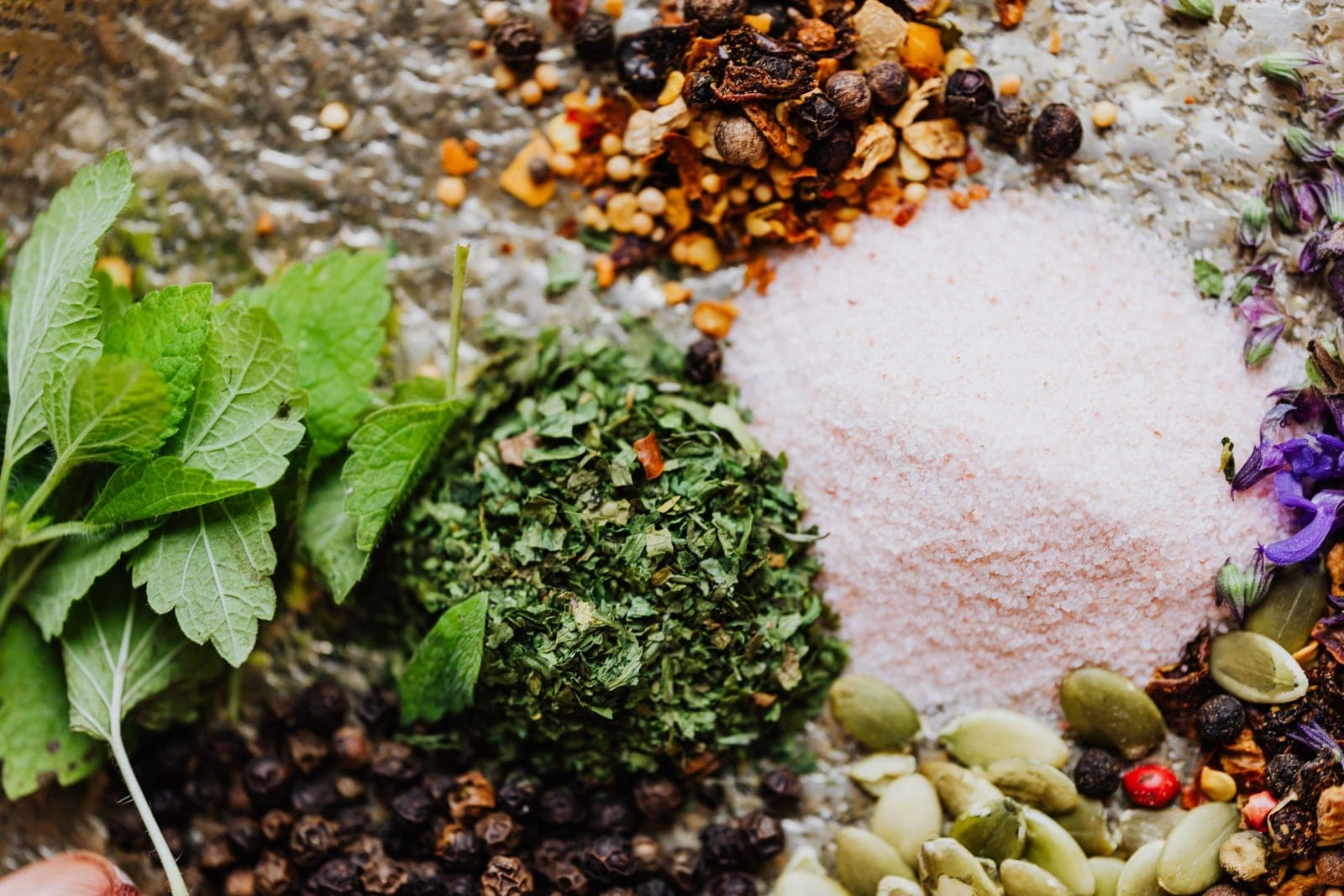
- Fermentation & UmamiDoenjang and Gochujang Fermentation Science: How Meju Builds Depth
Doenjang and gochujang fermentation starts with meju, blocks of fermented soybeans that molds, bacteria, and time turn into savory, glutamate-rich depth.
2026-08-17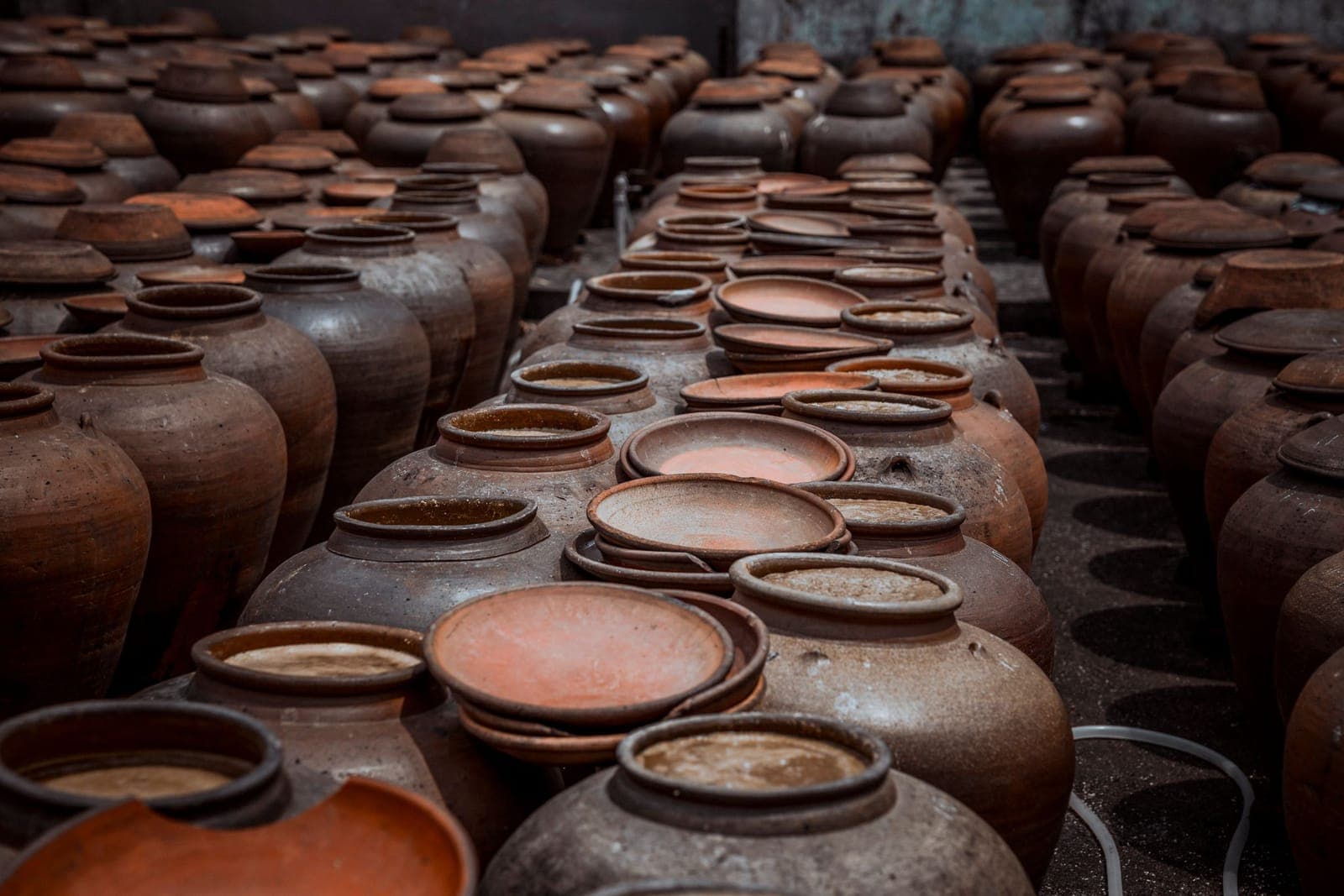
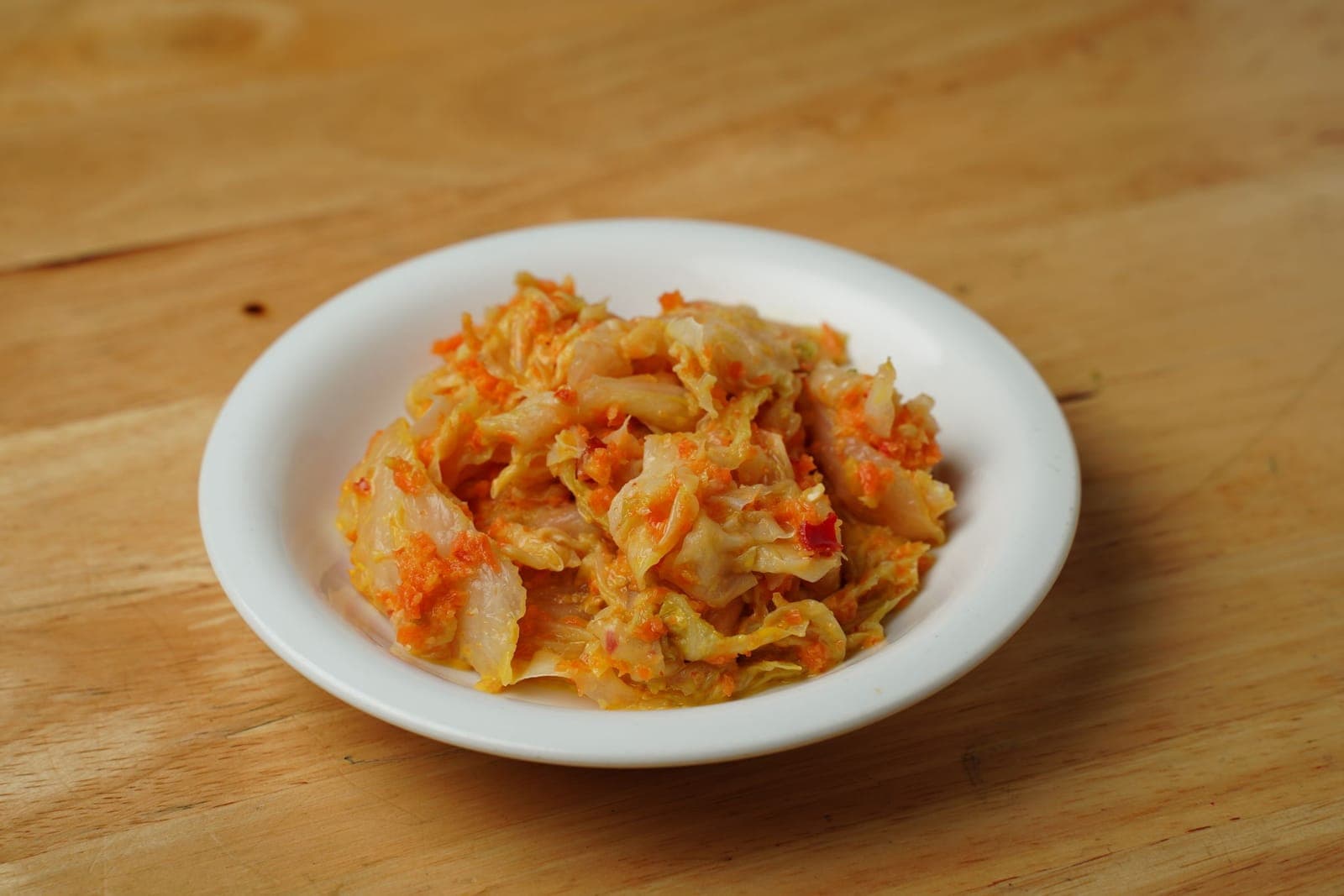
- Fermentation & UmamiKimchi Salt Science: Why the Salt Decides How Your Kimchi Turns Out
Kimchi salt concentration is not seasoning, it is a decision. Around 2 to 3 percent picks which microbes run the ferment and keeps spoilage out of the jar.
2026-08-17